What is Wabi-Sabi Pottery?
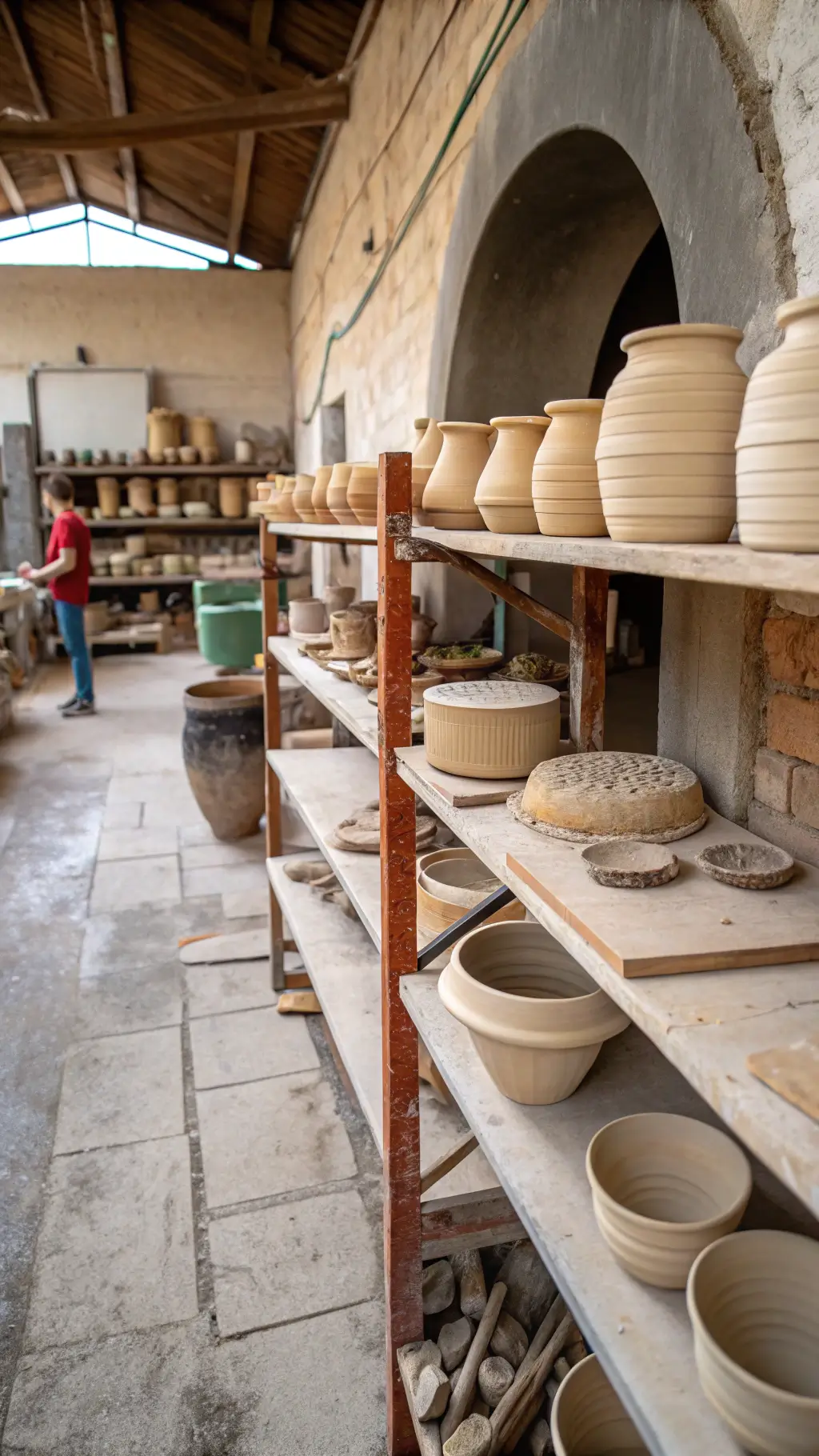
Imagine a ceramic piece that tells a story through its imperfections. That’s the heart of wabi-sabi pottery – a profound Japanese art form that celebrates the beauty of the incomplete, the aged, and the naturally flawed.
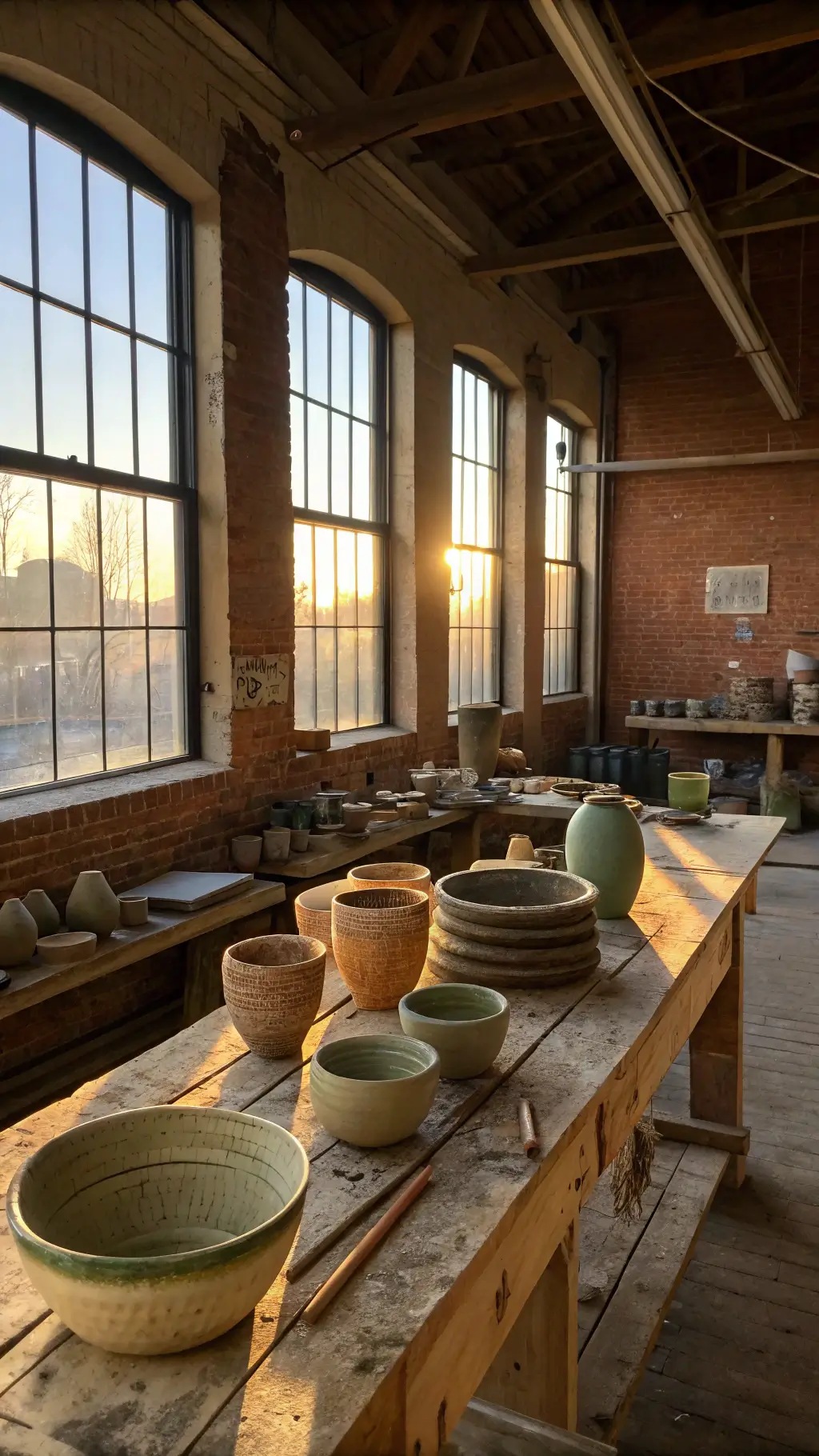
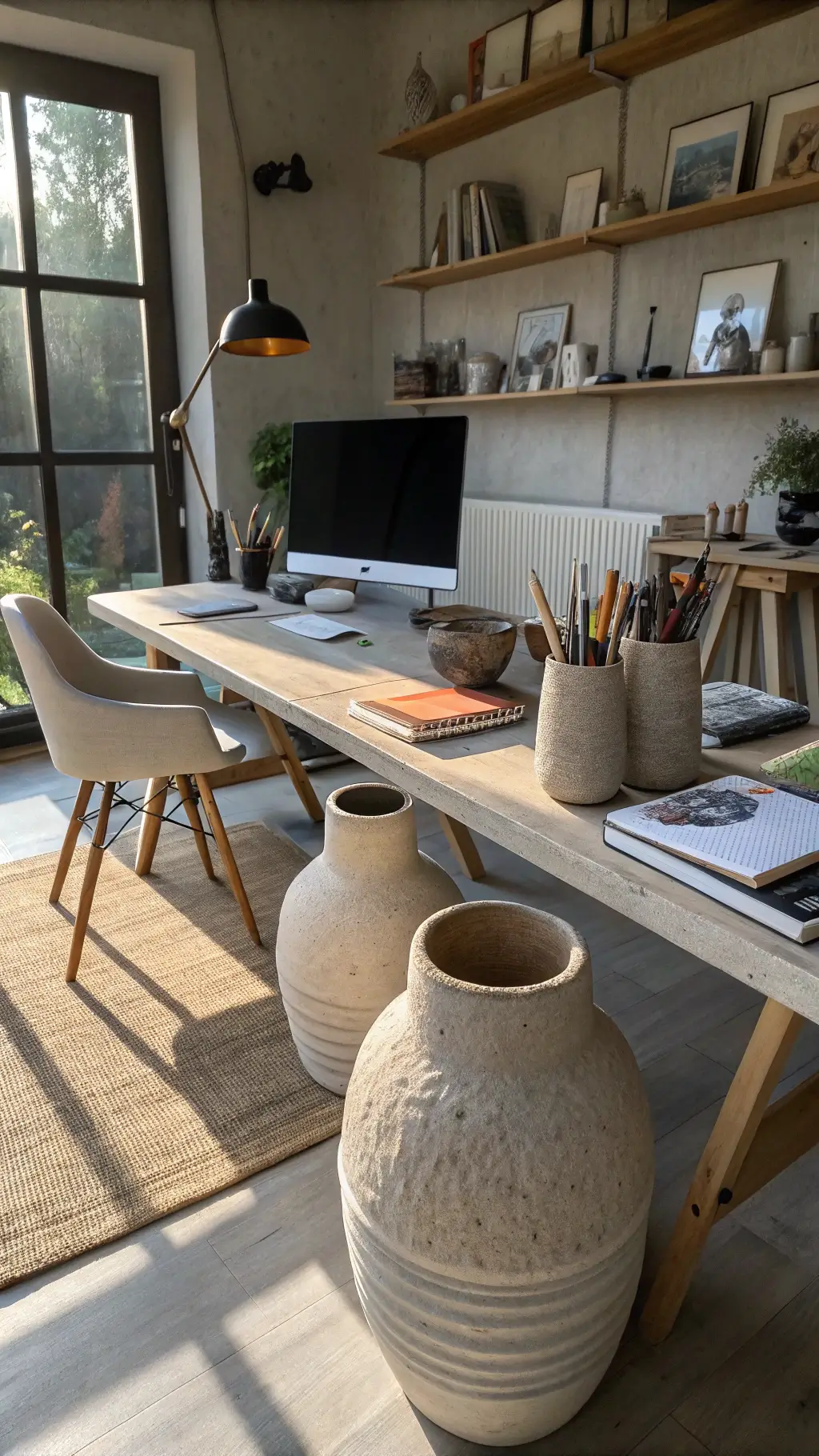
🌟 Steal This Look
- Paint Color: Sherwin-Williams Accessible Beige SW 7036
- Furniture: low-profile walnut display shelf with open shelving to showcase pottery collections
- Lighting: pendant light with handmade paper shade or uneven ceramic socket
- Materials: raw linen, unglazed terracotta, reclaimed wood, hand-thrown ceramics with visible finger marks and kiln variations
This is the room where you slow down and actually notice things—the chip in a bowl rim, the way morning light pools in a hand-formed indent.
The Philosophy Behind the Clay
Wabi-sabi isn’t just a style – it’s a way of seeing the world. Rooted in Zen Buddhism, this philosophy transforms how we view ceramics:
What Makes Wabi-Sabi Unique:
- Celebrates imperfection as a form of beauty
- Honors the natural aging process
- Finds poetry in simplicity and wear
- Turns flaws into fascinating stories
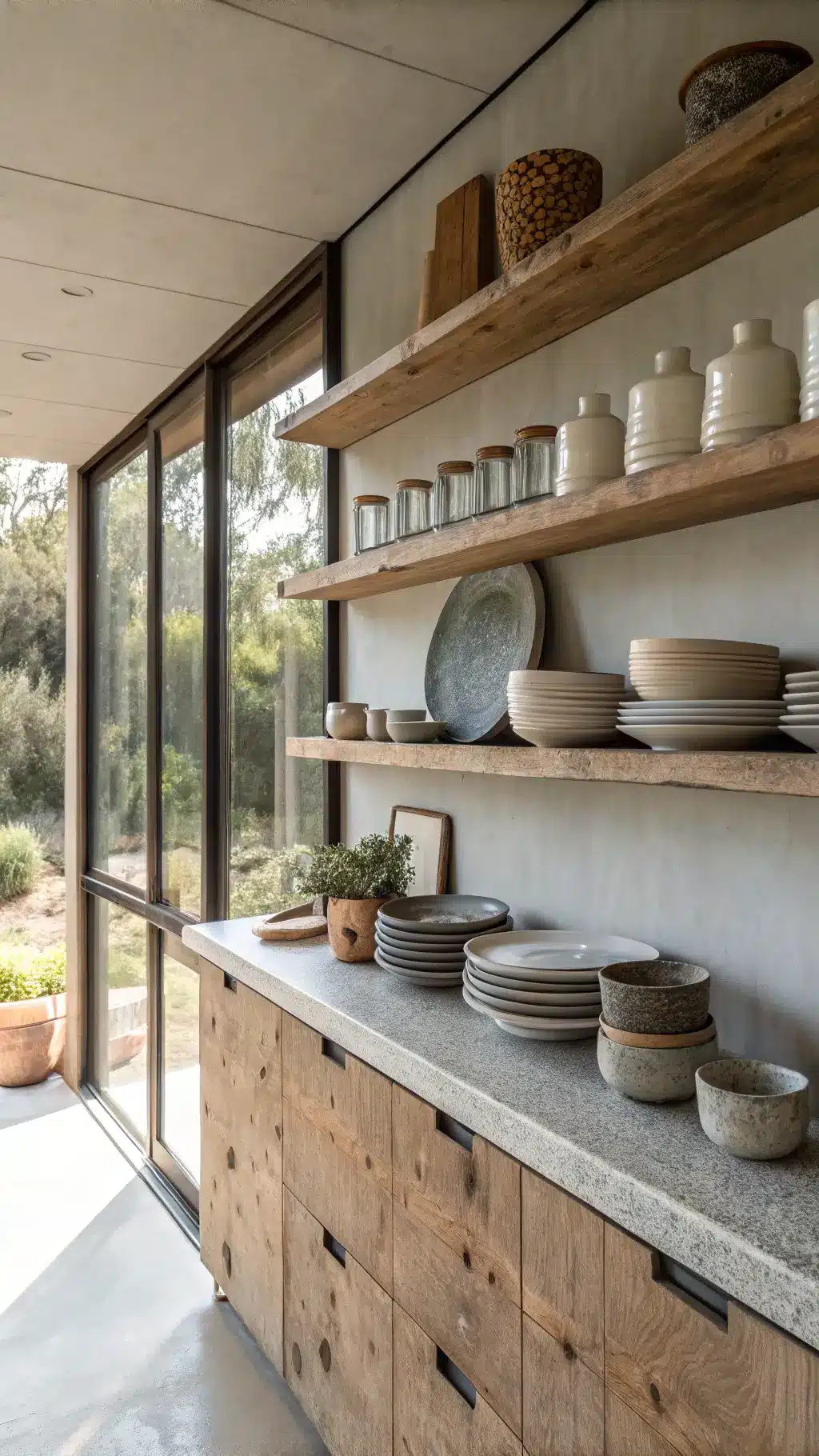
🌟 Steal This Look
- Paint Color: Benjamin Moore Edgecomb Gray HC-173
- Furniture: low-profile teak meditation bench with visible grain knots
- Lighting: hand-thrown ceramic pendant with uneven rim and warm Edison bulb
- Materials: raw stoneware clay, unbleached linen, oxidized brass, reclaimed barn wood
This is where you slow down and actually notice the crack in your grandmother’s bowl instead of hiding it—the room becomes a quiet rebellion against the relentless newness we’ve been sold.
Characteristics of Authentic Wabi-Sabi Ceramics
Visual Markers
- Asymmetrical shapes that feel organic and hand-formed
- Soft, muted earth-tone colors
- Visible fingerprints and textural irregularities
- Minimal, understated decorations
- Signs of age or gentle repair
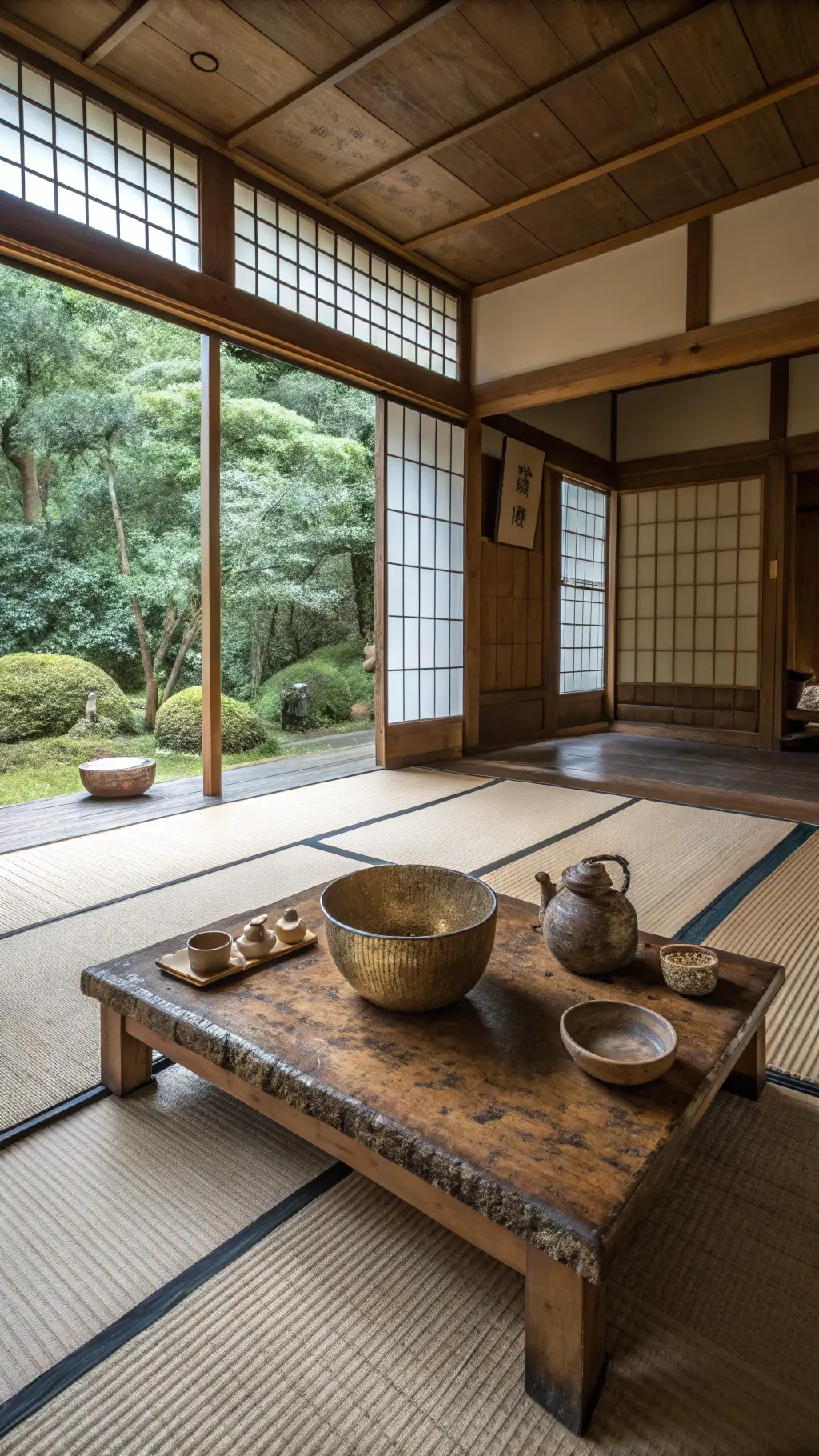
The Kintsugi Connection
The ultimate expression of wabi-sabi is kintsugi – the Japanese art of repairing broken pottery with gold-filled lacquer. Instead of hiding damage, this technique celebrates it as part of an object’s unique journey.
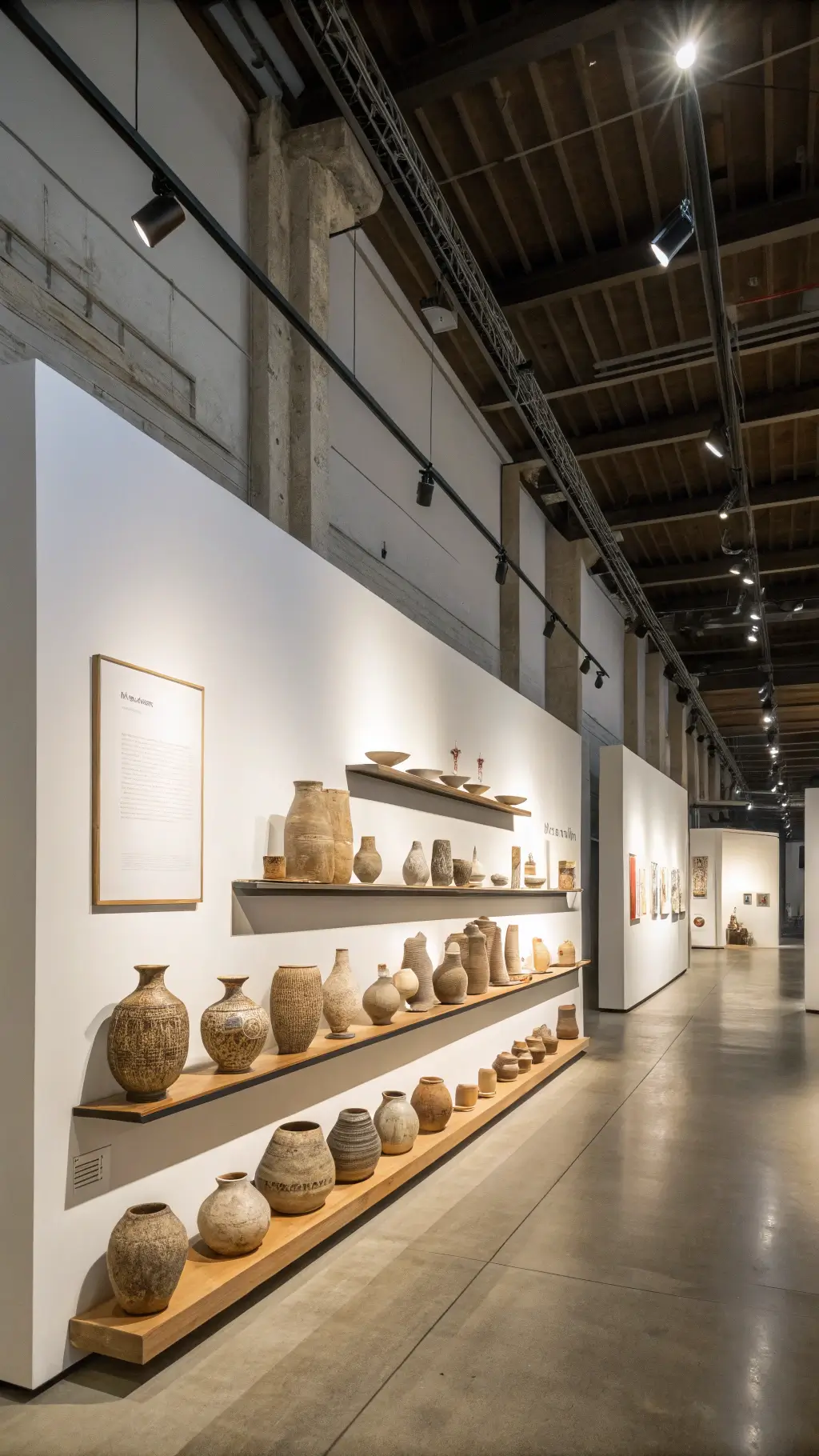
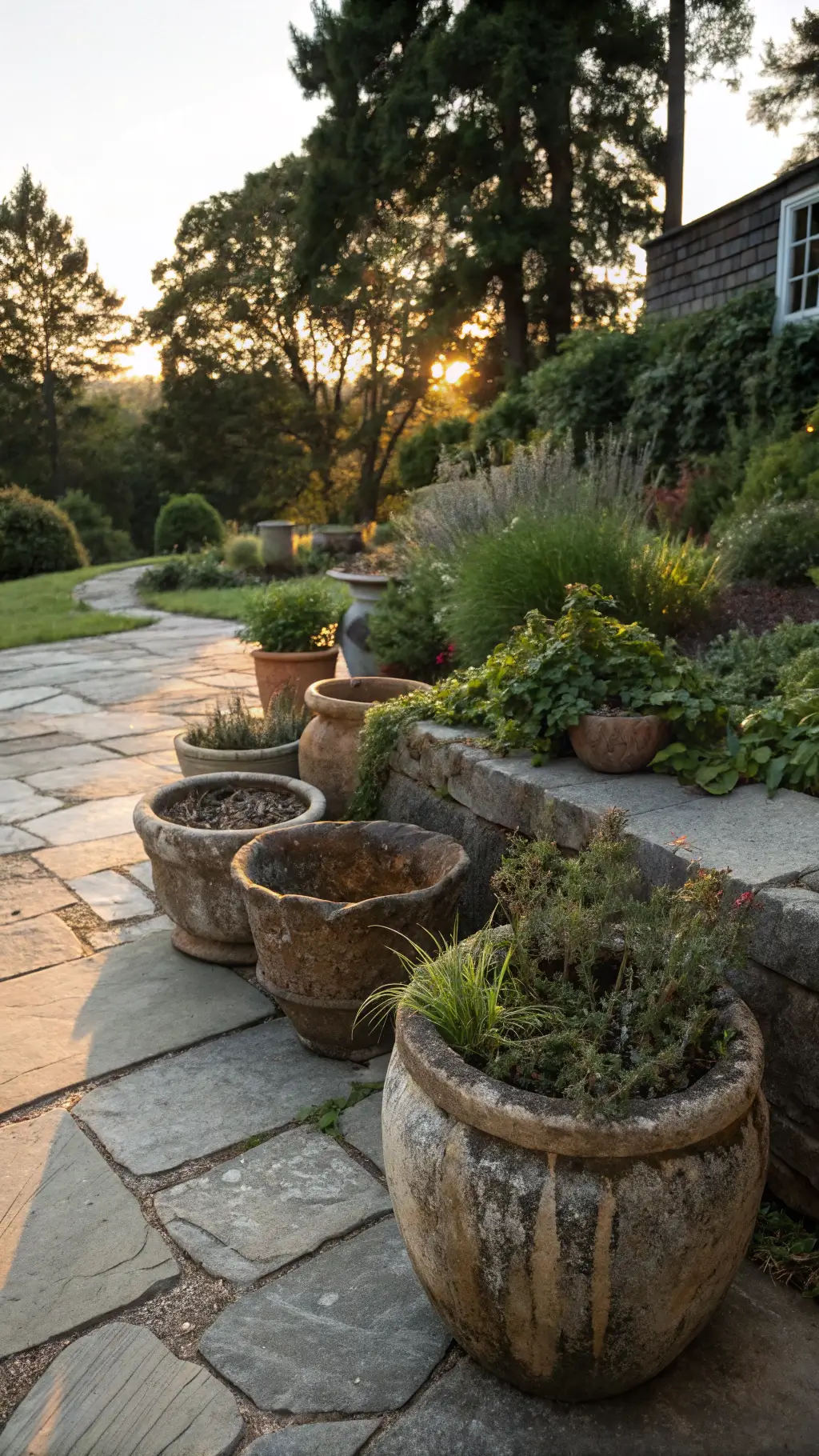
💡 Steal This Look
- Paint Color: Farrow & Ball Jitney No. 293
- Furniture: low-profile walnut credenza with visible joinery and natural oil finish
- Lighting: hand-formed ceramic pendant with uneven rim and warm dimmable Edison bulb
- Materials: raw stoneware, unbleached linen, oxidized brass, reclaimed wood with live edge
There’s something deeply calming about running your fingers across a bowl that still holds the potter’s thumbprint—it’s a quiet reminder that beauty lives in the human hand, not the machine.
Why Wabi-Sabi Matters in Modern Design
In a world obsessed with perfection, wabi-sabi offers a radical alternative:
- Embraces human touch and natural variations
- Reduces waste by valuing aged and slightly damaged items
- Promotes mindfulness through object appreciation
- Creates deeply personal, meaningful ceramics
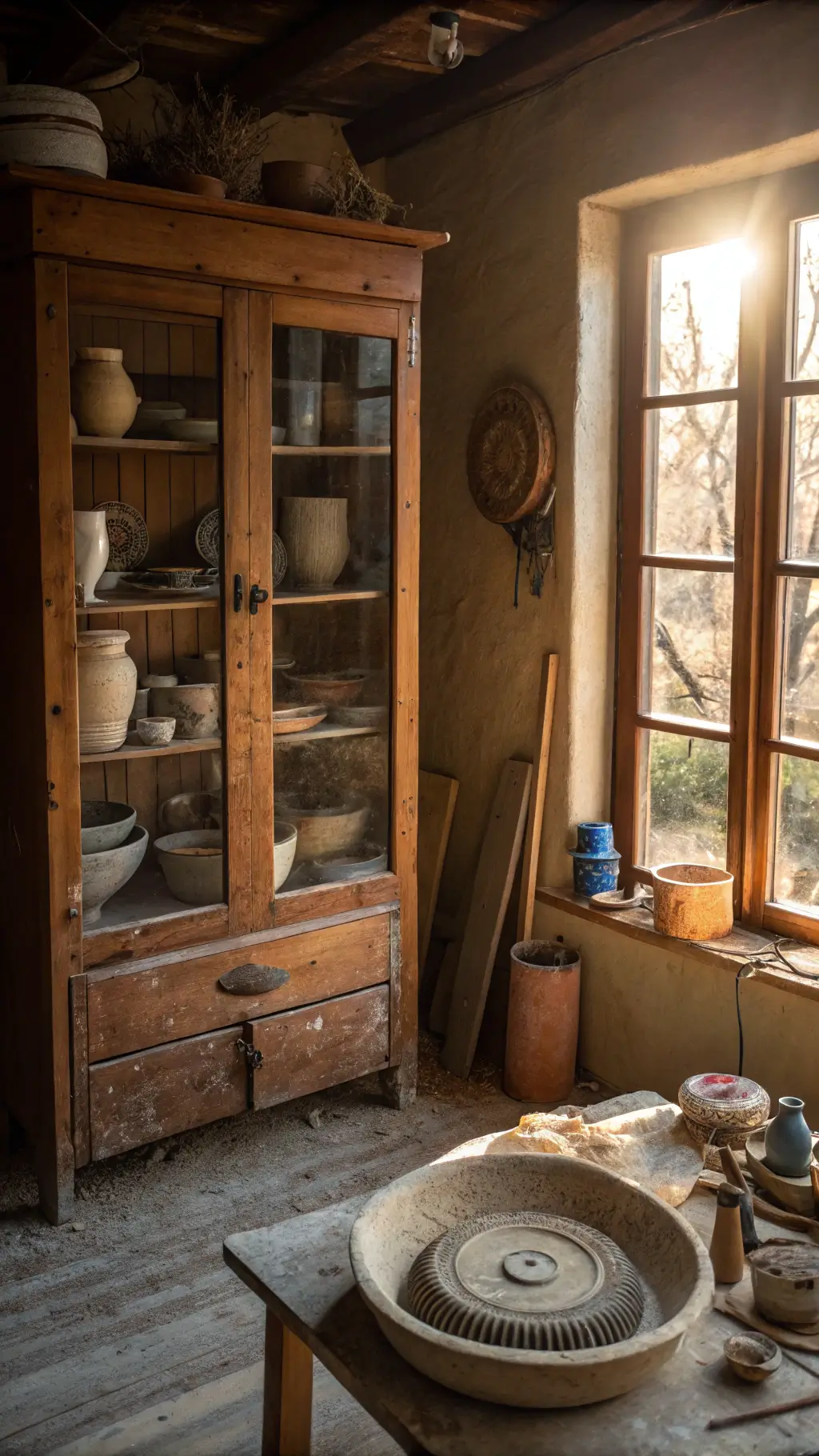
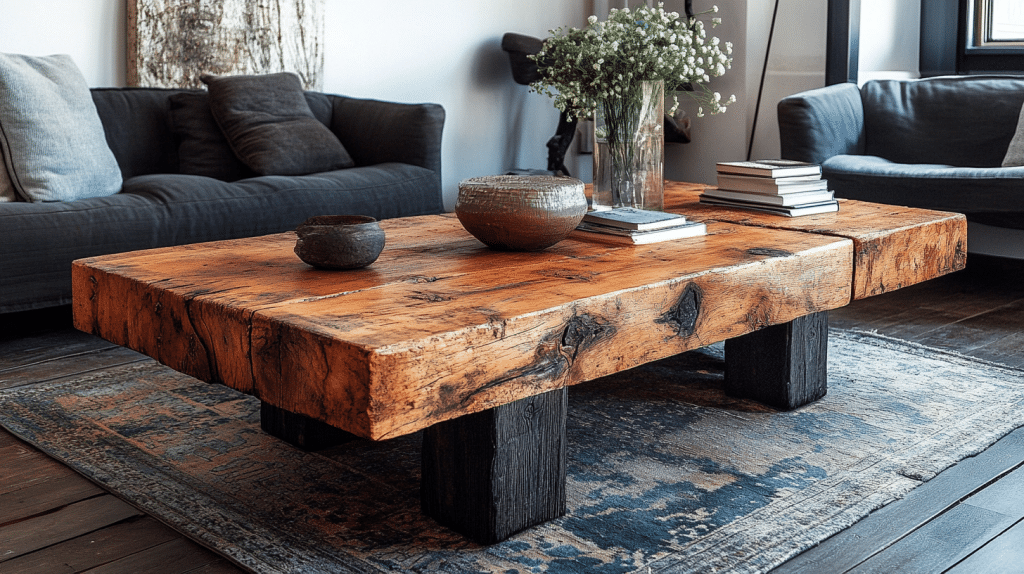
🏠 Steal This Look
- Paint Color: Behr Weathered Moss N350-3
- Furniture: low-profile oak coffee table with visible grain knots and hand-planed surface
- Lighting: paper and bamboo Noguchi-style pendant with uneven, organic silhouette
- Materials: raw linen slipcovers, unglazed terracotta, hand-thrown stoneware with deliberate irregularities, reclaimed wood with nail holes and patina
This philosophy asks you to slow down and actually see the objects you live with—the crack in your grandmother’s bowl becomes a story, not a reason to replace it.
Finding Authentic Wabi-Sabi Pottery
Where to Look:
- Japanese traditional pottery regions
- Artisan marketplaces like Etsy
- Contemporary ceramic studios
- Specialized galleries focusing on handmade ceramics
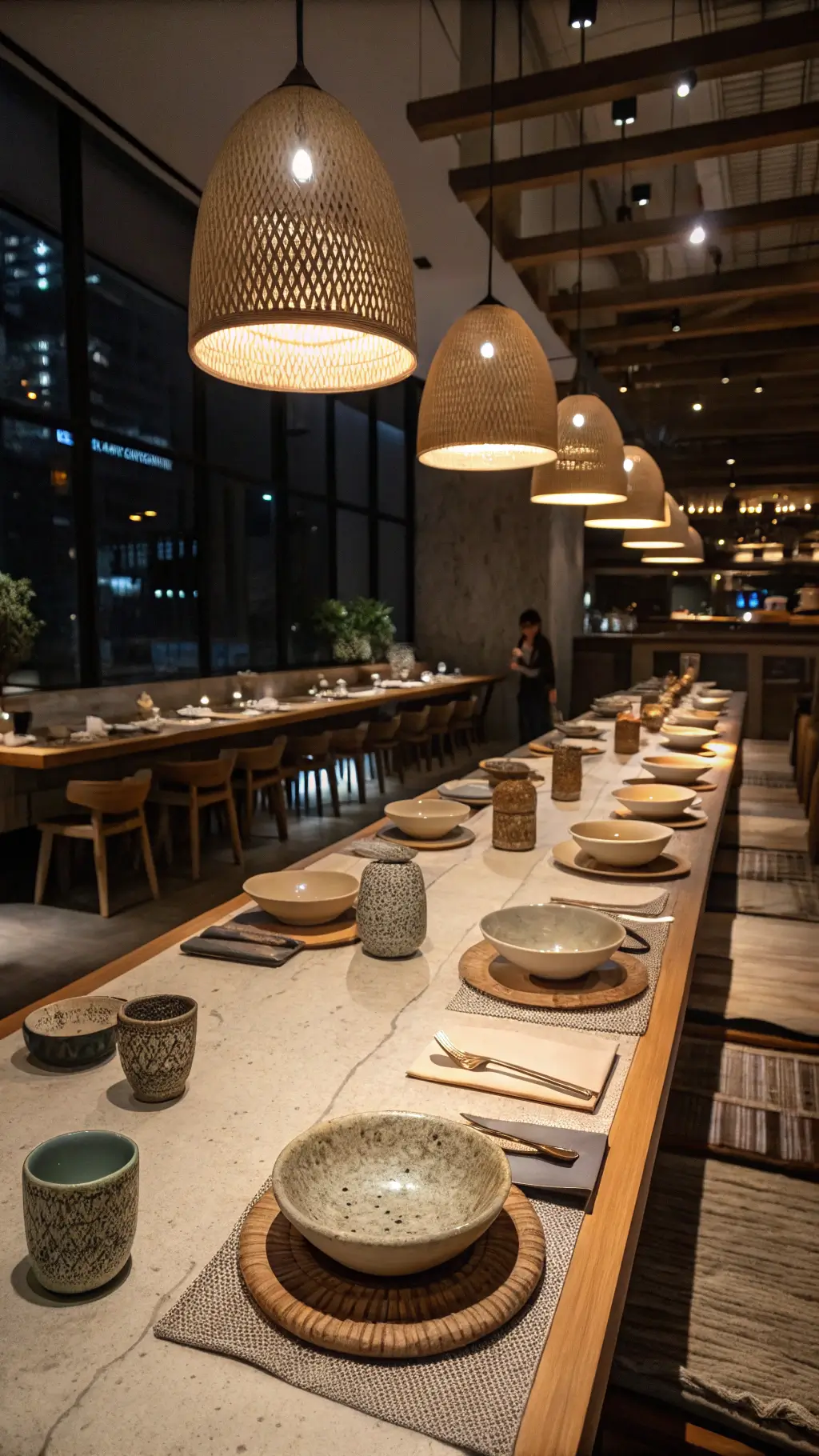
🎨 Steal This Look
- Paint Color: Valspar Wabi-Sabi 8004-12A
- Furniture: low-profile walnut display credenza with open shelving for pottery rotation
- Lighting: paper-wrapped pendant with visible bulb filament, hung at 30 inches above display surface
- Materials: unbleached linen backdrops, raw cedar planks, hand-thrown terracotta, iron oxide patina accents
There’s something quietly radical about choosing a bowl with a crack you can feel—it’s permission to stop performing perfection in your own space.
Pro Tips for Wabi-Sabi Enthusiasts
- Look for pieces with subtle asymmetry
- Value handmade over machine-perfect
- Appreciate natural color variations
- See wear as a story, not a defect
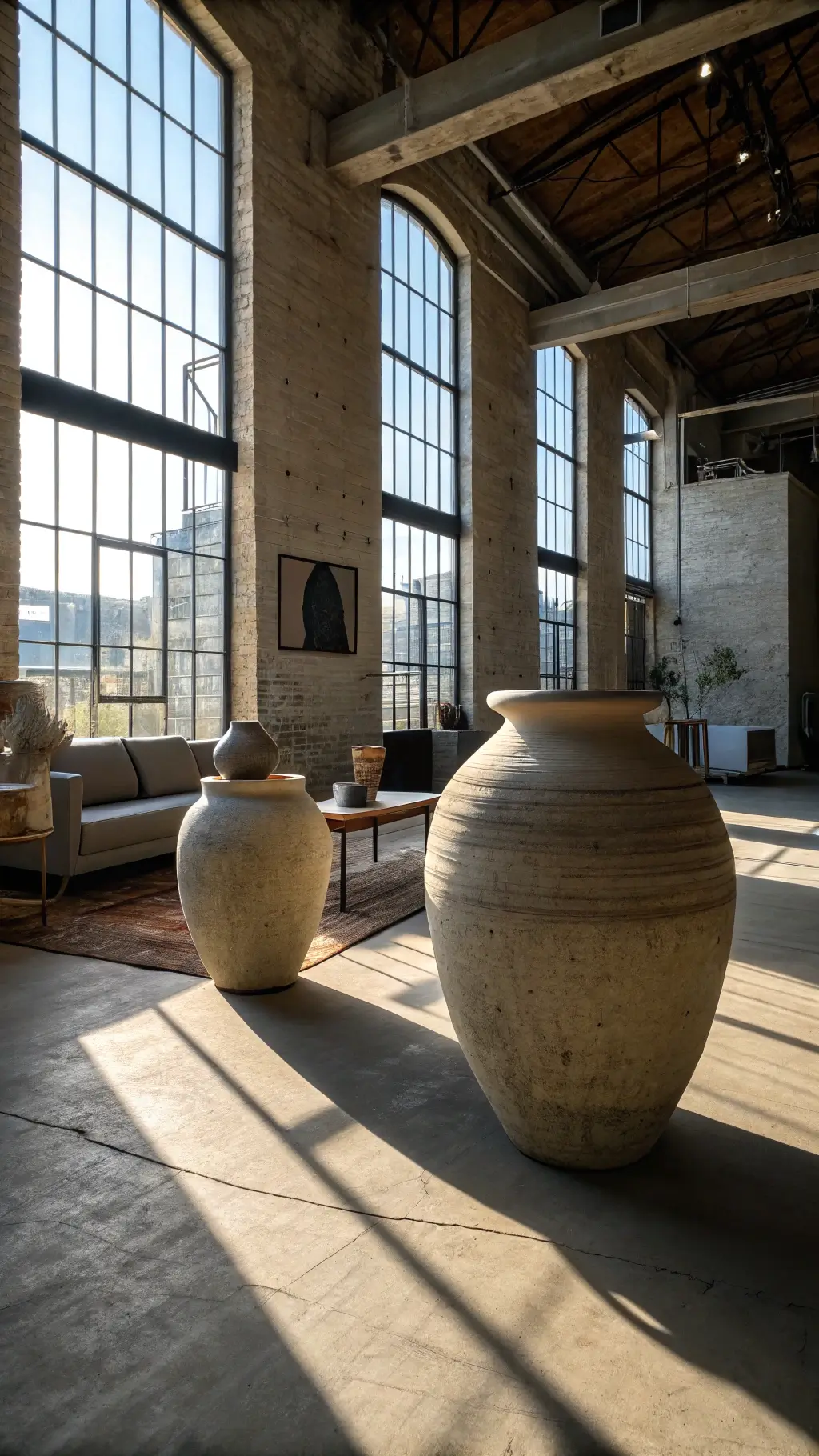
💡 Steal This Look
- Paint Color: use PPG brand. Match warm, earthy clay tones typical of wabi-sabi pottery studios. Format: PPG Warm Stone 14-24
- Furniture: low-profile wooden display shelf with visible grain knots and live edges, positioned at eye level to showcase pottery collection
- Lighting: hand-formed ceramic pendant light with deliberately uneven glaze drips, hung low over a meditation or tea space
- Materials: raw linen, unbleached cotton, reclaimed wood with nail holes, hand-thrown ceramic, volcanic rock, and aged brass with natural patina
This is the room where you finally stop apologizing for the chip in your grandmother’s bowl—you’ll learn to position it where the light catches the repair, turning flaw into focal point.
Final Thoughts
Wabi-sabi isn’t just about pottery. It’s a meditation on accepting life’s imperfections, finding beauty in simplicity, and appreciating the unique journey of objects and experiences.
Remember: Every crack, every uneven glaze, every slight irregularity is not a flaw – it’s a feature that makes your ceramic piece truly extraordinary.