Wabi-Sabi Architecture: Embracing Imperfection in Design and Living Spaces
The world of architecture often chases perfection, but wabi-sabi philosophy whispers a different story. This Japanese design approach transforms how we perceive beauty, turning flaws into fascinating narratives of authenticity and lived experience.

★ Steal This Look
- Paint Color: Sherwin-Williams Shoji White SW 7042
- Furniture: low-profile solid wood platform bed with visible grain and hand-planed texture, paired with a single rough-hewn nightstand
- Lighting: paper-and-bamboo Noguchi-style pendant with uneven, organic silhouette
- Materials: unpolished concrete floors with hairline cracks, reclaimed barn wood beams with natural weathering, handmade ceramic tile with glaze variations, raw linen textiles
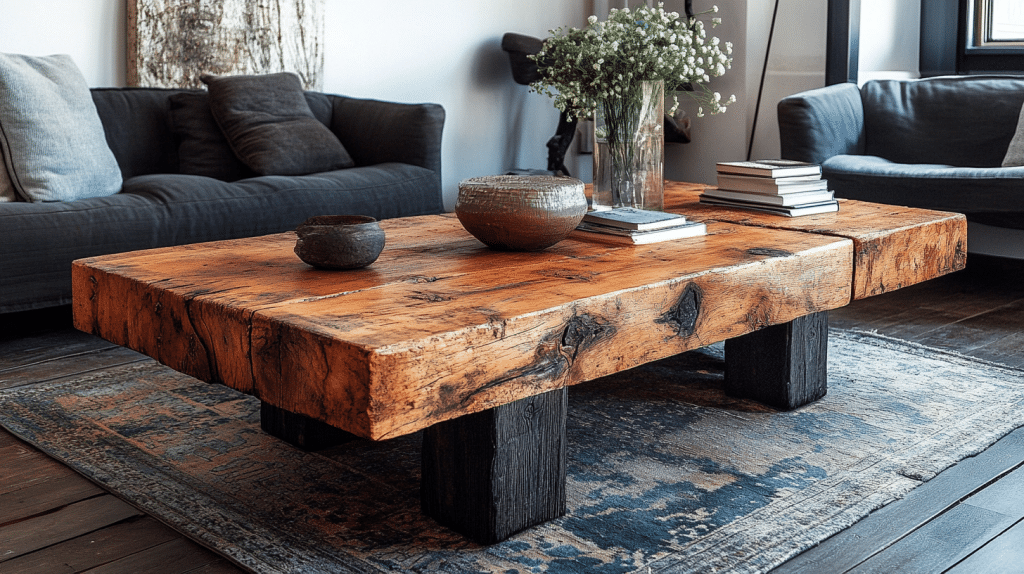
This approach asks you to stop apologizing for the coffee ring on your table or the floor that creaks in winter—your home becomes a record of your life, not a stage set for someone else’s approval.
What Makes Wabi-Sabi Architecture Unique?
Imagine walking into a space that breathes with history, where every crack and weathered surface tells a story. That’s the essence of wabi-sabi architecture – a radical departure from sterile, pristine designs.

🖼 Steal This Look
- Paint Color: Benjamin Moore Stone Harbor 2111-50
- Furniture: low-profile platform bed frame in unfinished white oak with visible joinery, paired with a single vintage indigo-dyed textile as headboard alternative
- Lighting: Noguchi Akari 1A paper lantern pendant with warm incandescent bulb
- Materials: raw lime plaster walls with intentional trowel marks, reclaimed barnwood ceiling beams, hand-thrown ceramic floor tiles with irregular edges, unbleached linen upholstery
This approach asks you to slow down and actually live in your space rather than perform perfection for guests—the patina develops alongside your own life marks.
Key Principles of Wabi-Sabi Design
1. Radical Simplicity
- Strip spaces down to their most essential elements
- Celebrate negative space
- Avoid unnecessary ornamentation
- Create rooms that breathe and feel alive

2. Raw, Natural Materials
My favorite wabi-sabi spaces feature:
- Unpolished wooden surfaces
- Handcrafted ceramic elements
- Exposed stone with natural textures
- Bamboo elements that show their true character

3. Embracing Imperfection
Wabi-sabi doesn’t hide wear and tear – it showcases it:
- Cracked plaster becomes a design feature
- Rust marks tell stories of age and usage
- Minor asymmetries create visual interest
- Each “flaw” represents a moment in time

4. Color Palette: Nature’s Whispers
Wabi-sabi colors are never loud or aggressive:
- Soft grays
- Earthy beiges
- Moss greens
- Muted clay tones

5. Harmonizing with Natural Environment
The architecture doesn’t fight nature – it dances with it:
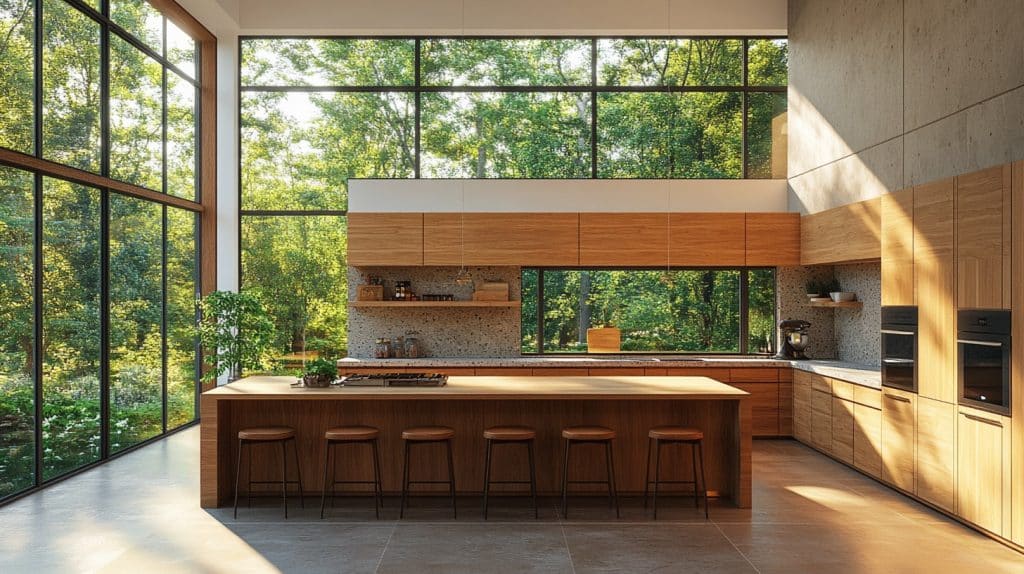
- Large, strategically placed windows
- Indoor-outdoor flow
- Natural light as a primary design element
- Bringing exterior landscapes inside

🎨 Steal This Look
- Paint Color: Farrow & Ball Mouse’s Back 40
- Furniture: low-profile solid oak platform bed with visible joinery and natural oil finish
- Lighting: hand-formed washi paper pendant with visible bamboo ribbing and uneven edges
- Materials: unbleached linen, raw silk, reclaimed teak with open grain, hand-thrown Shigaraki pottery with natural ash glaze
This is the room where you finally stop performing for guests and start living with intention—every scratch on the nightstand marks a morning coffee, every faded cushion holds the weight of real rest.
Why Wabi-Sabi Matters in Modern Design
In a world obsessed with perfection, wabi-sabi reminds us that beauty isn’t about flawlessness. It’s about authenticity, history, and the profound stories objects and spaces can tell.
Practical Implementation Tips
Want to introduce wabi-sabi into your space?
- Choose handcrafted over mass-produced
- Allow natural aging of materials
- Prioritize meaningful objects over quantity
- Create spaces that feel lived-in and comfortable
Cultural Context
Wabi-sabi originates from zen Buddhist principles, representing a profound philosophical approach to experiencing the world. It’s not just design – it’s a way of seeing beauty in impermanence.
Common Misconceptions
- Wabi-sabi isn’t about making spaces look deliberately worn
- It’s not an excuse for poor maintenance
- The goal is intentional, meaningful imperfection
Final Thoughts
Wabi-sabi architecture invites us to slow down, observe, and appreciate the subtle beauty of existence. It transforms spaces from mere structures into living, breathing narratives.
Recommended Reading:
- “Wabi-Sabi: for Artists, Designers, Poets & Philosophers” by Leonard Koren
- The Japanese Art of Imperfect Beauty” by Noboru Murata