Embrace the beauty of imperfection and find peace in nature’s authentic rhythm through the ancient Japanese philosophy of wabi sabi. These 29 inspiring garden designs celebrate weathered textures, asymmetrical layouts, and the gentle passage of time, transforming outdoor spaces into tranquil sanctuaries. From moss-covered serenity to wild meadow corners, each garden tells a story of natural elegance where cracks, curves, and untamed growth become the truest forms of beauty.
1. Rustic Garden Calm
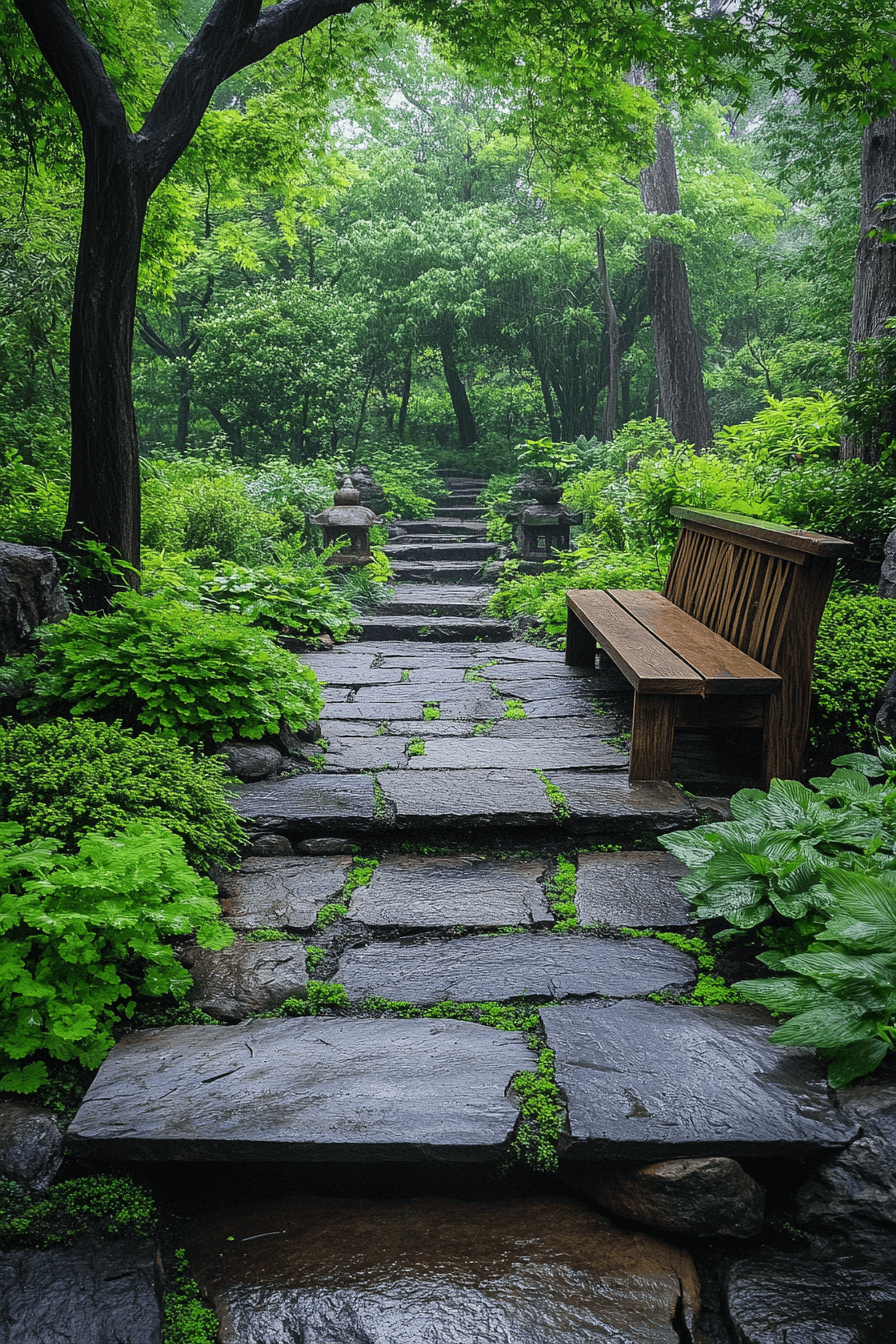
This wabi sabi garden embraces rustic tranquility through the honest charm of nature’s imperfections. Uneven stone paths and untrimmed wildflowers create a peaceful, organic balance that feels both free and grounded. Aged benches and weathered pots blend naturally into the scenery, celebrating the passage of time. Every corner whispers calm and authenticity.
💡 Steal This Look
- Paint Color: Sherwin-Williams Rookwood Dark Green SW 2805
- Furniture: simple slatted wooden garden bench in weathered teak or cedar
- Lighting: solar-powered paper lantern string lights or low-voltage stone pathway lights
- Materials: irregular slate flagstones with moss joints, untreated hardwood, river rocks, dense shade-tolerant foliage
This is the garden you escape to when the world feels too polished—there’s something deeply human about a path that refuses to be perfect, that grows wilder and more beautiful with every rainfall.
2. Moss-Covered Serenity
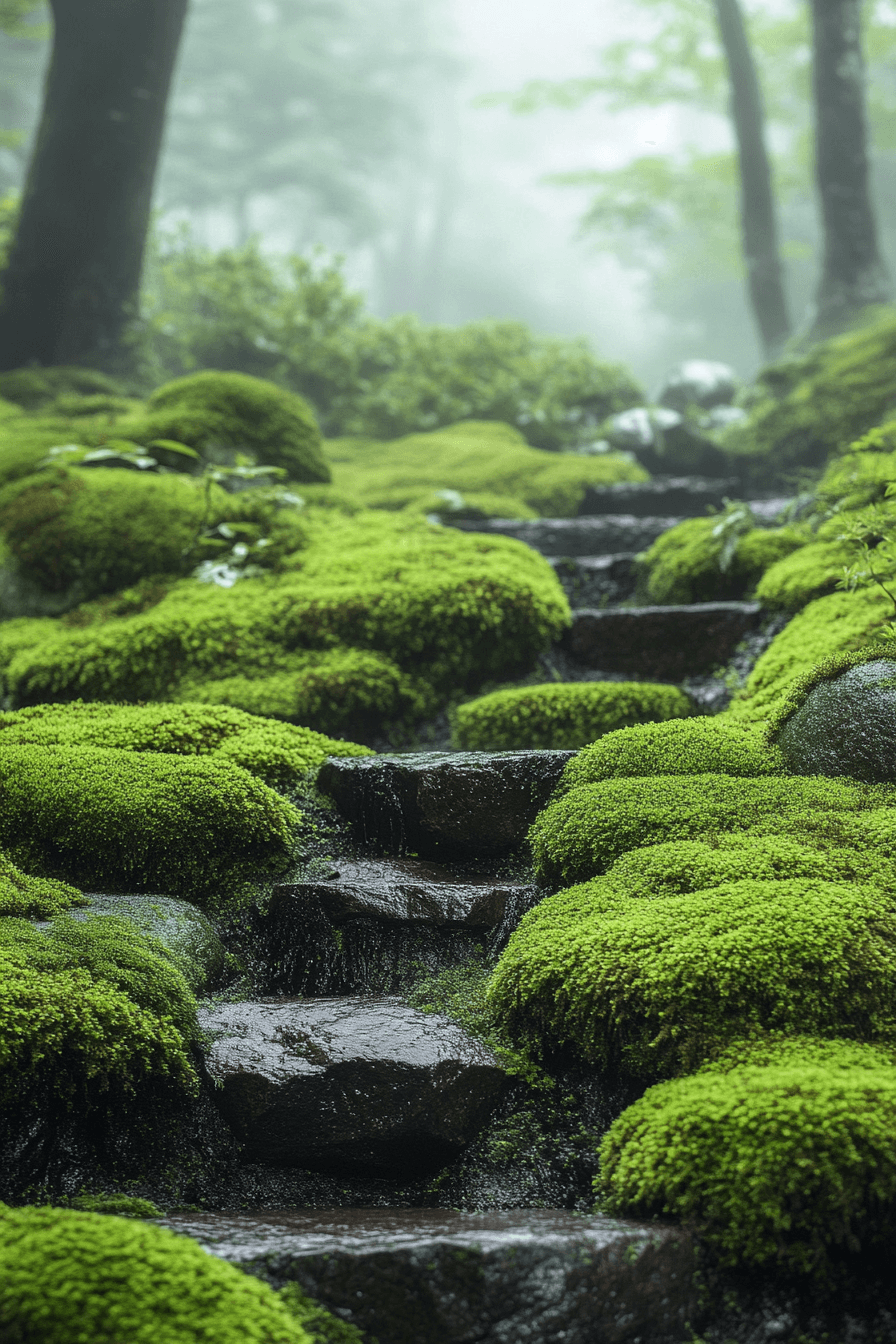
Lush moss takes center stage in this enchanting wabi sabi garden, softening stones and tree roots with velvety green beauty. The living carpet embodies the philosophy of growth, decay, and renewal that defines wabi sabi. Shaded areas come alive with stillness and texture, creating a scene that feels timeless and alive. Each surface tells a quiet story of nature’s resilience.
🖼 Steal This Look
- Paint Color: Benjamin Moore Forest Floor 1498
- Furniture: low-profile stone garden bench with raw edges
- Lighting: solar-powered paper lantern string lights
- Materials: rough-hewn slate, live moss, weathered granite, untreated cedar
This space invites you to slow down and notice—the damp hush, the spring of moss underfoot, the way stone and plant negotiate territory over decades.
🎁 Get The Look
3. Perfectly Imperfect Haven
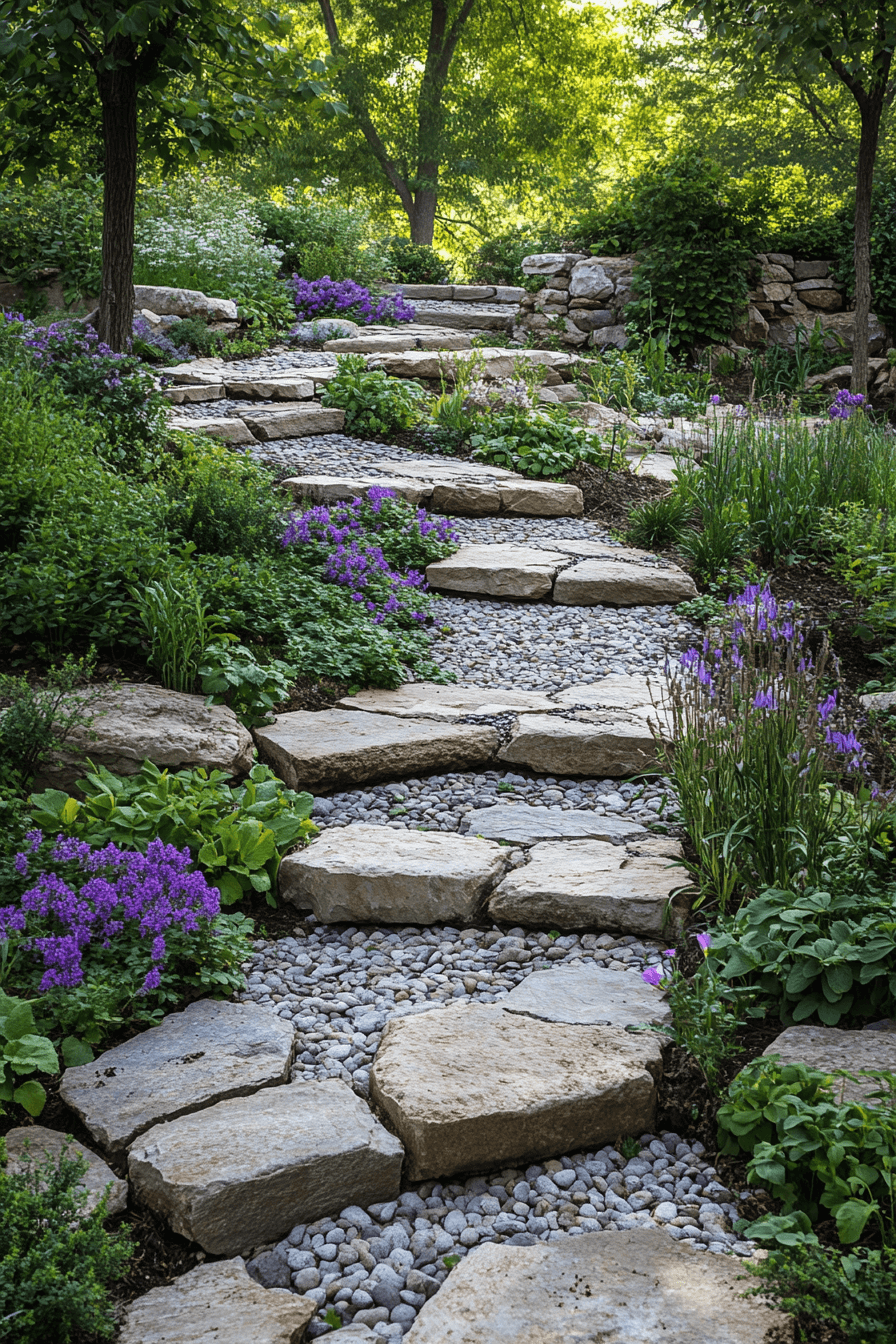
In this wabi sabi garden, imperfect harmony flourishes through asymmetry and natural flow. Curved paths, uneven stones, and freely growing plants evoke serenity without precision. Every element complements another, not through control but through coexistence. It’s beauty born from authenticity, not perfection.
🖼 Steal This Look
- Paint Color: Farrow & Ball French Gray 18
- Furniture: weathered teak garden bench with live-edge slab seat
- Lighting: solar-powered copper path lights with seeded glass shades
- Materials: irregular limestone flagstones, gray river rock pebbles, dry-stacked fieldstone, drought-tolerant purple flowering perennials
This path feels like it discovered itself over decades, not days—and that’s exactly the point. Your garden should look like it belongs to the land, not the other way around.
4. Whimsical Earth Refuge
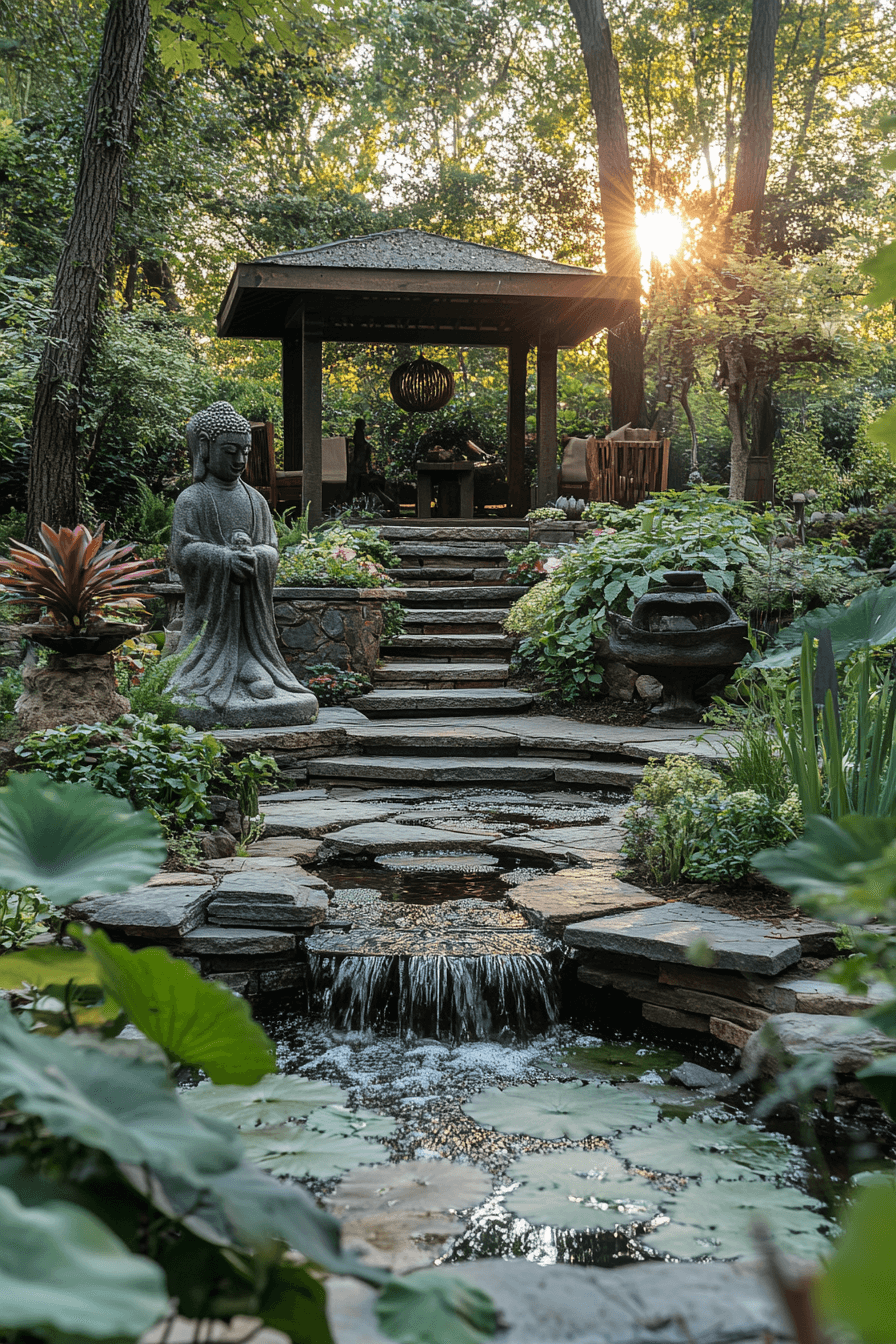
Playful and soulful, a wabi sabi garden with natural whimsy turns simplicity into art. Twisting vines, hand-shaped sculptures, and gently flowing water create an atmosphere of spontaneous wonder. Nothing feels forced—only joyfully discovered. The garden’s spirit lies in its delightful unpredictability.
🖼 Steal This Look
- Paint Color: No painted walls in this outdoor space — skip
- Furniture: weathered teak Adirondack chairs with natural canvas cushions for the pavilion interior
- Lighting: oversized woven rattan pendant with warm amber LED for the pavilion ceiling
- Materials: irregular Pennsylvania bluestone flagging, untreated cedar posts, moss-covered fieldstone, hand-cast concrete statuary
This garden whispers that you don’t need to travel to Kyoto to find stillness — you just need patience enough to let nature do the finishing work.
5. Earthen Soul Sanctuary
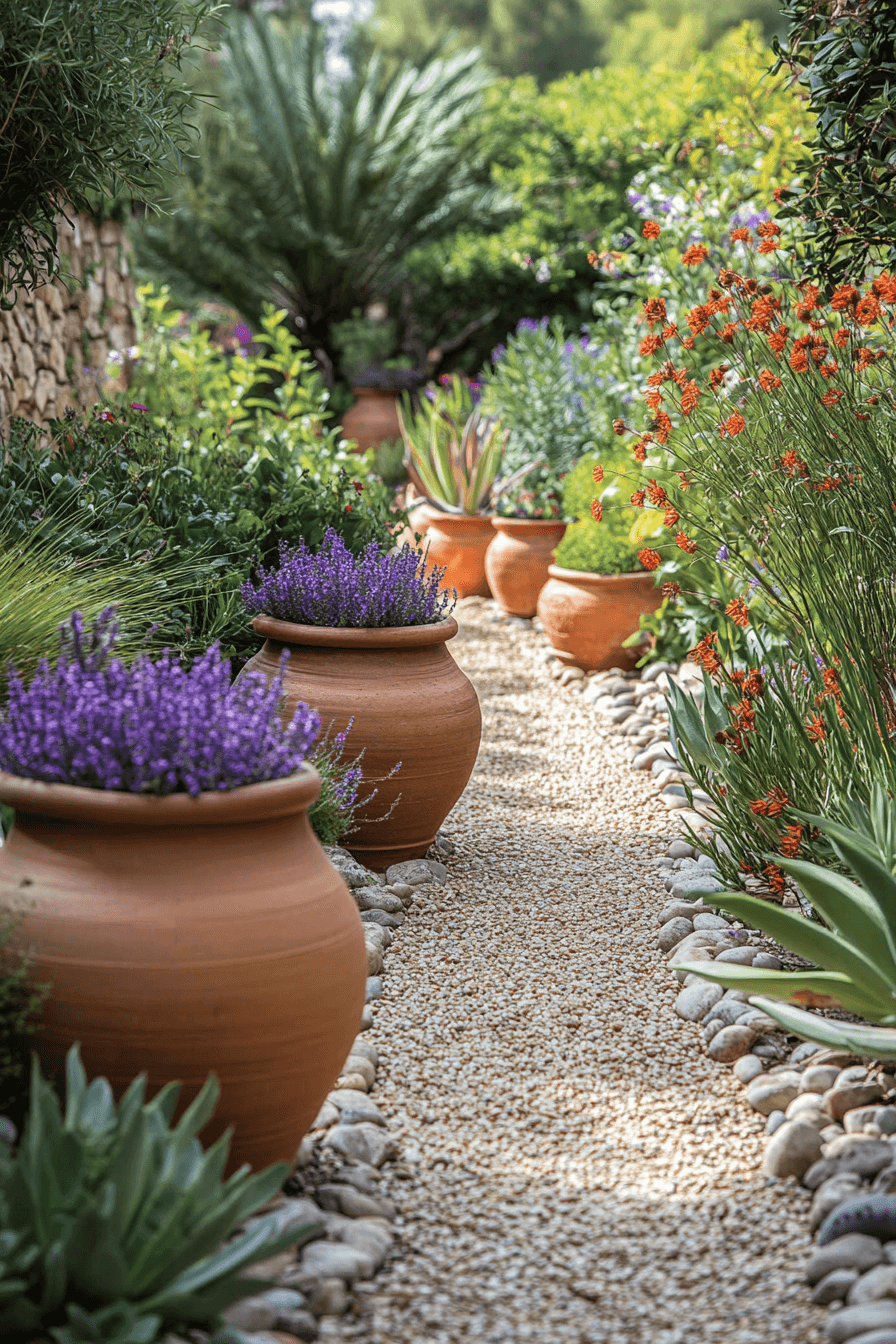
Grounded and calming, the wabi sabi garden built on earthen aesthetics honors the tones and textures of soil and stone. Terracotta pots, gravel pathways, and sunbaked clay bring warmth and balance to every step. Each imperfection adds charm, every crack tells a story. It’s a soothing space rooted in authenticity.
★ Steal This Look
- Paint Color: use Valspar brand. Match the ACTUAL wall color in the image. Format: Valspar ColorName CODE
- Furniture: low-profile concrete garden bench with weathered finish, positioned against a stucco or stone garden wall for contemplative seating
- Lighting: solar-powered rattan-wrapped pathway lanterns with warm amber glow, staked along the gravel walk
- Materials: unglazed terracotta clay, pea gravel, smooth river rock borders, drought-tolerant lavender and succulents, rough-cut natural stone
There’s something deeply grounding about running your fingers over porous clay warmed by afternoon sun—this garden asks you to slow down and notice. It reminds me that the most soulful spaces aren’t designed to impress, but to hold you.
6. Weathered Woodland Path
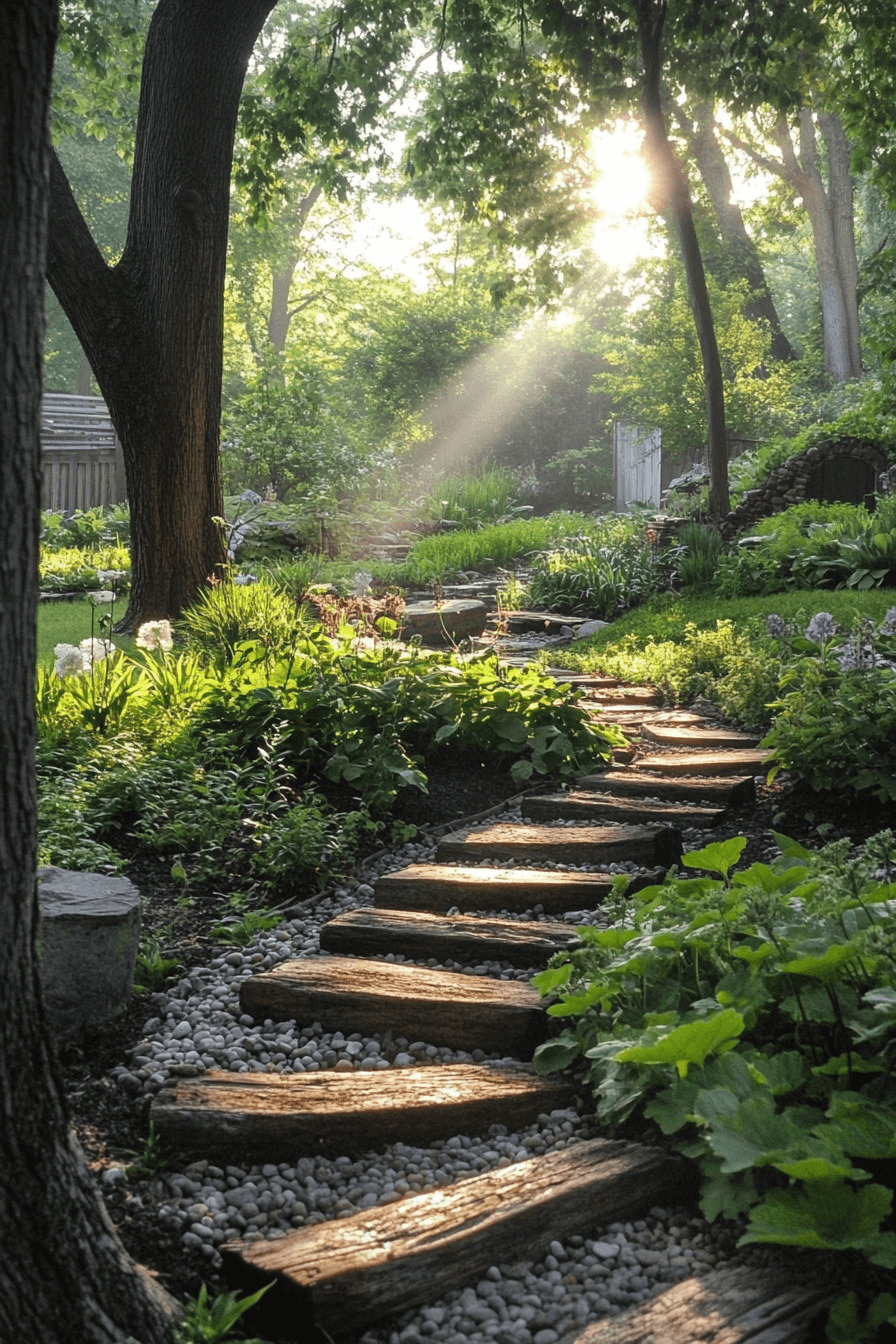
A wabi sabi garden inspired by weathered woodlands captures the soulful rhythm of the forest. Fallen logs, mossy stumps, and timeworn branches create a story of quiet endurance. Native plants thrive alongside decaying wood, adding layers of life and history. It’s nature’s art—untouched yet breathtaking.
🎨 Steal This Look
- Paint Color: PPG Stonehenge Greige PPG1001-4
- Furniture: low stone garden bench or reclaimed wood stump seating tucked beside the path
- Lighting: solar-powered warm white uplights positioned at tree bases to mimic natural sunbeams
- Materials: weathered cedar or oak timbers, smooth gray river rock, moss, hosta leaves, aged tree bark
This is the garden you stumble into at golden hour, shoes off, coffee cooling forgotten beside you—it’s not designed for showing off, but for slowing down.
7. Asymmetry in Bloom
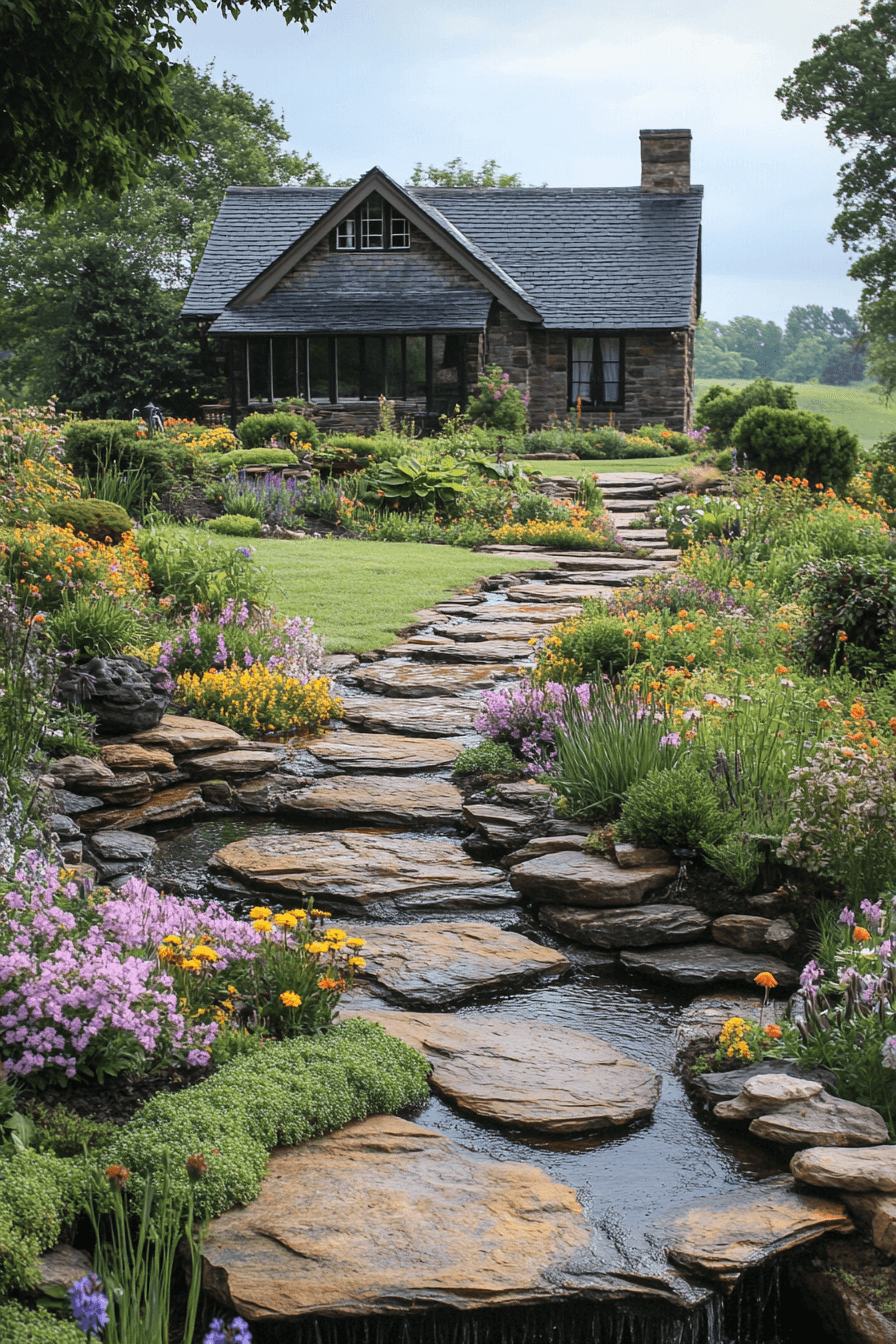
Organic beauty defines the wabi sabi garden known as an asymmetrical oasis. Forget rigid lines—gentle curves and uneven plantings bring harmony through freedom. Winding paths and natural stones encourage slow, mindful exploration. The imperfect layout feels beautifully intentional.
✎ Steal This Look
- Paint Color: Dunn-Edwards Weathered Wood DET684
- Furniture: weathered teak garden bench with visible grain and knots
- Lighting: solar-powered copper path lights with seeded glass
- Materials: limestone flagstone, fieldstone, moss, native wildflowers, untreated cedar
This garden asks you to slow down and get your shoes wet—there’s no straight line to the door, and that’s exactly the point.
8. Textured Nature Retreat
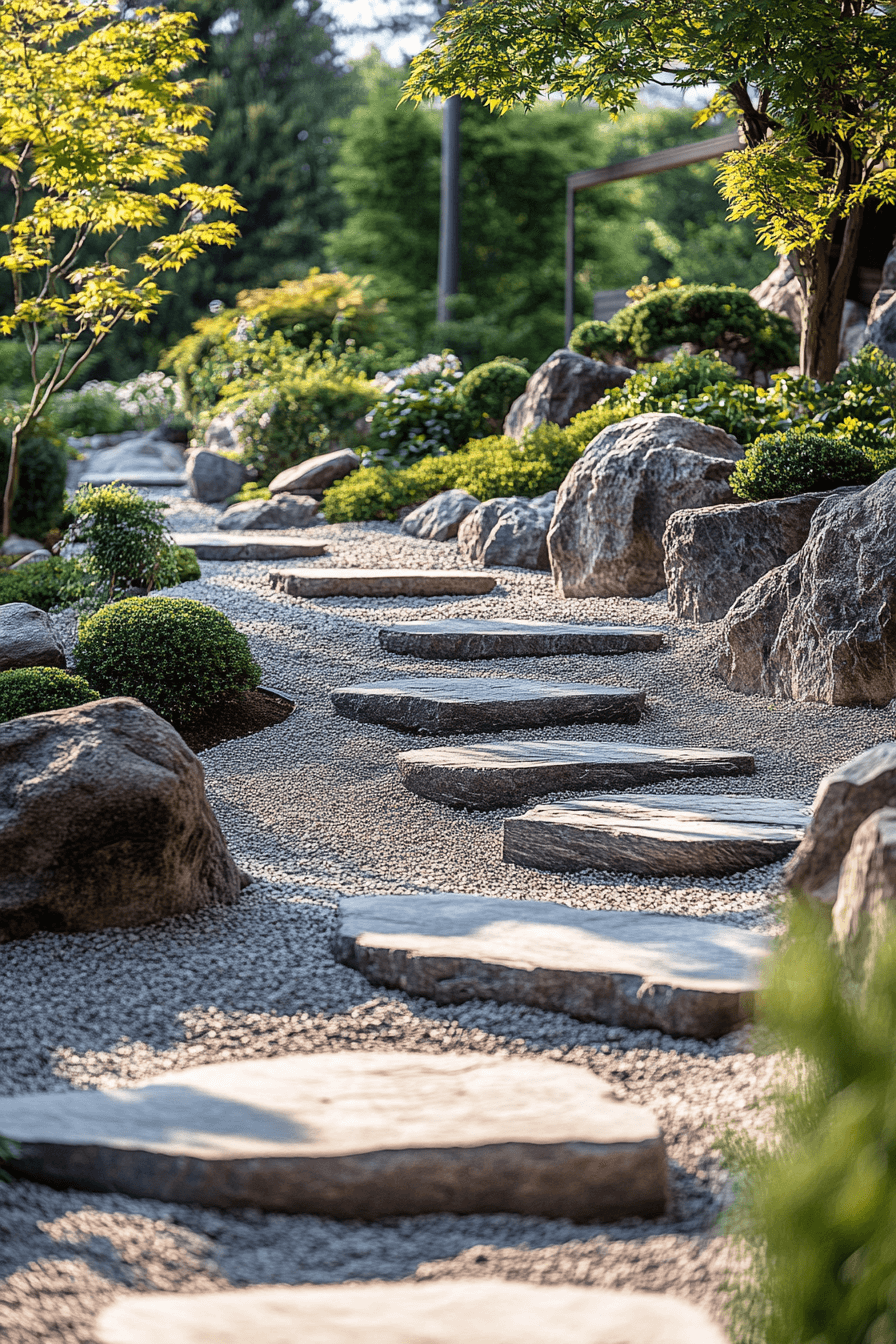
Texture comes alive in this wabi sabi garden, where varied materials create sensory depth and intrigue. Pebbles, bark, moss, and leafy layers blend into a tactile mosaic that invites touch and reflection. Each surface tells its own quiet story of time and weather. The result is a garden rich in movement and emotion.
🎨 Steal This Look
- Paint Color: Clare Paint Greenwich Time CW-01
- Furniture: low-profile wooden garden bench with weathered teak finish
- Lighting: solar-powered bollard lights with frosted glass and bronze finish
- Materials: rough-hewn granite stepping stones, pea gravel, weathered fieldstone boulders, pruned boxwood and Japanese maple
This garden invites you to slow down with every step; there’s something deeply grounding about trusting uneven stones to carry you forward.
9. Stone Stillness Garden
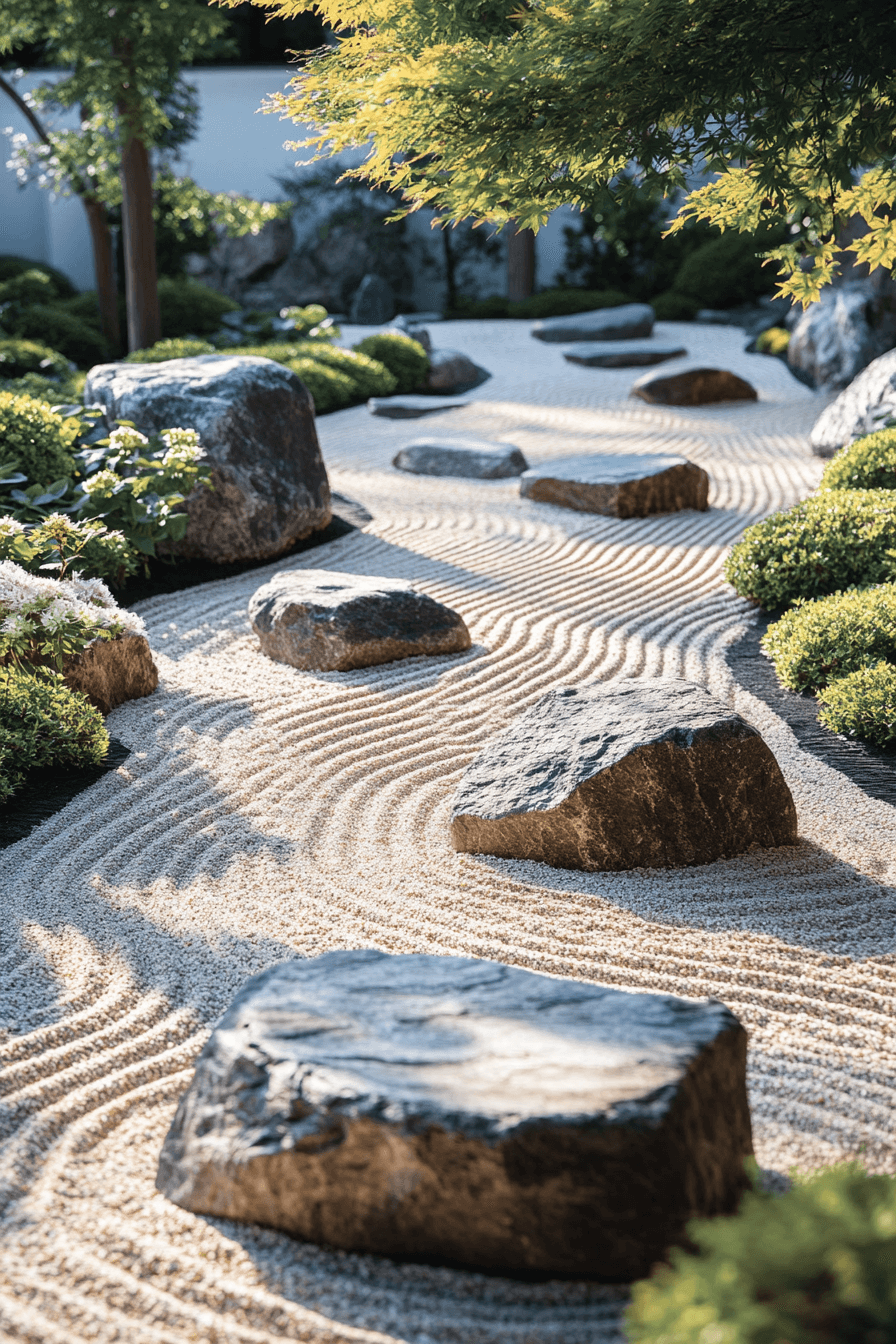
Stillness meets strength in this wabi sabi garden filled with stones and serenity. Large rocks ground the landscape, while smaller pebbles trace paths of contemplation. Their natural placement enhances the garden’s meditative mood. Every stone feels like a silent teacher in balance and endurance.
★ Steal This Look
- Paint Color: Fine Paints of Europe Parchment White W1001
- Furniture: low-profile stone meditation bench in weathered granite
- Lighting: solar-powered brass path lights with warm 2700K glow
- Materials: crushed white granite gravel, moss-covered limestone boulders, pruned boxwood hedges, raked sand patterns
This garden asks nothing of you but presence; it’s the antidote to overstimulation, a place where the mind finally quiets enough to notice a single leaf’s shadow.
🛒 Get The Look
10. Wild Peace Haven
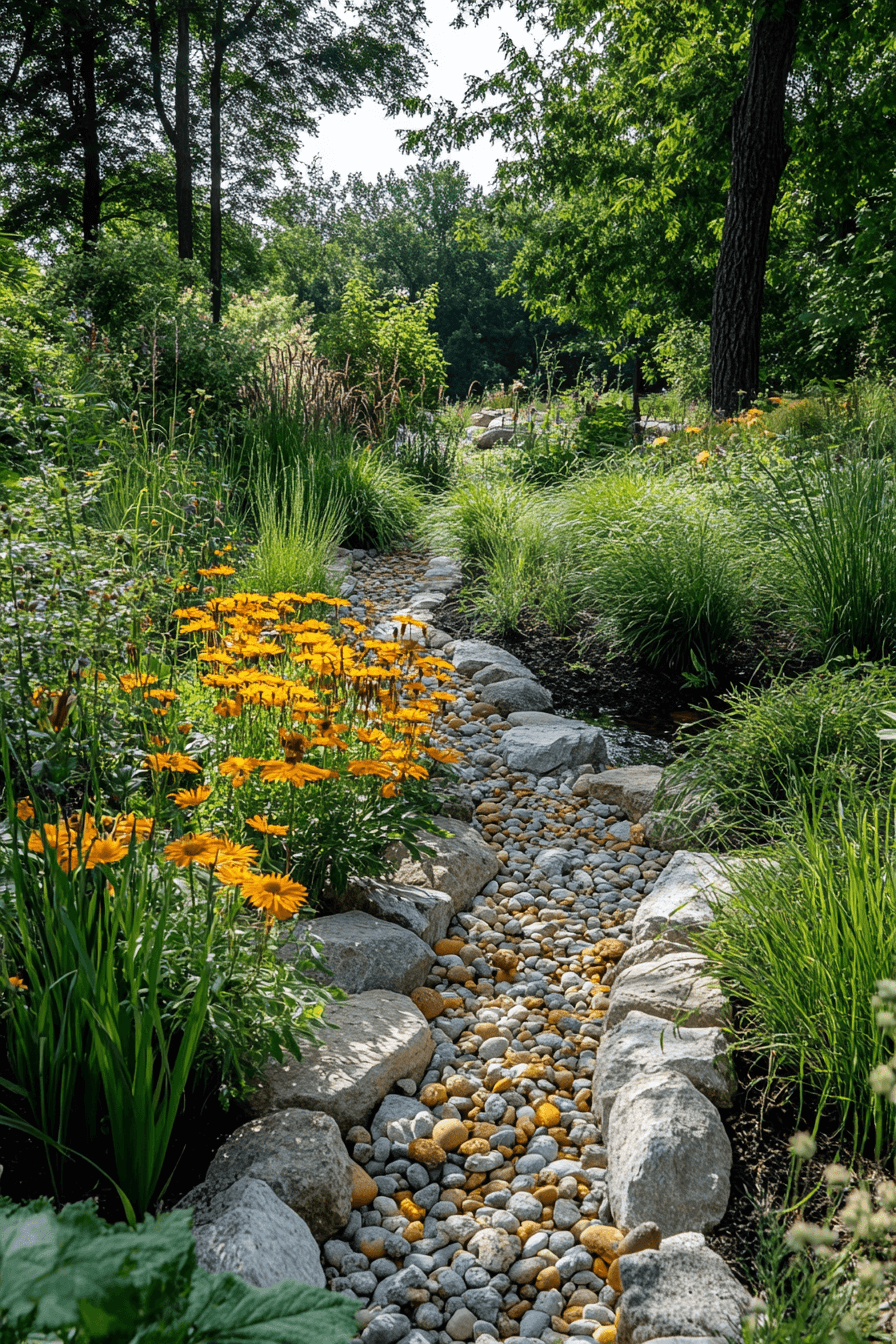
A wabi sabi garden devoted to wild growth celebrates nature’s free spirit. Native plants bloom and fade in their own rhythm, creating a dynamic landscape that never looks the same twice. Wildflowers, tall grasses, and self-seeding shrubs form a living canvas. It’s raw beauty—honest, changing, alive.
🌟 Steal This Look
- Paint Color: Backdrop Natural Habitat 0017
- Furniture: weathered teak garden bench with live edge
- Lighting: solar-powered copper path lights with amber glow
- Materials: smooth river rock, unmortared fieldstone boulders, native ornamental grasses, self-seeding wildflowers
This is the garden you wander into with coffee still in hand, no shoes required—the kind of space that rewards you with something new blooming every week of summer.
11. Quiet Meadow Corners
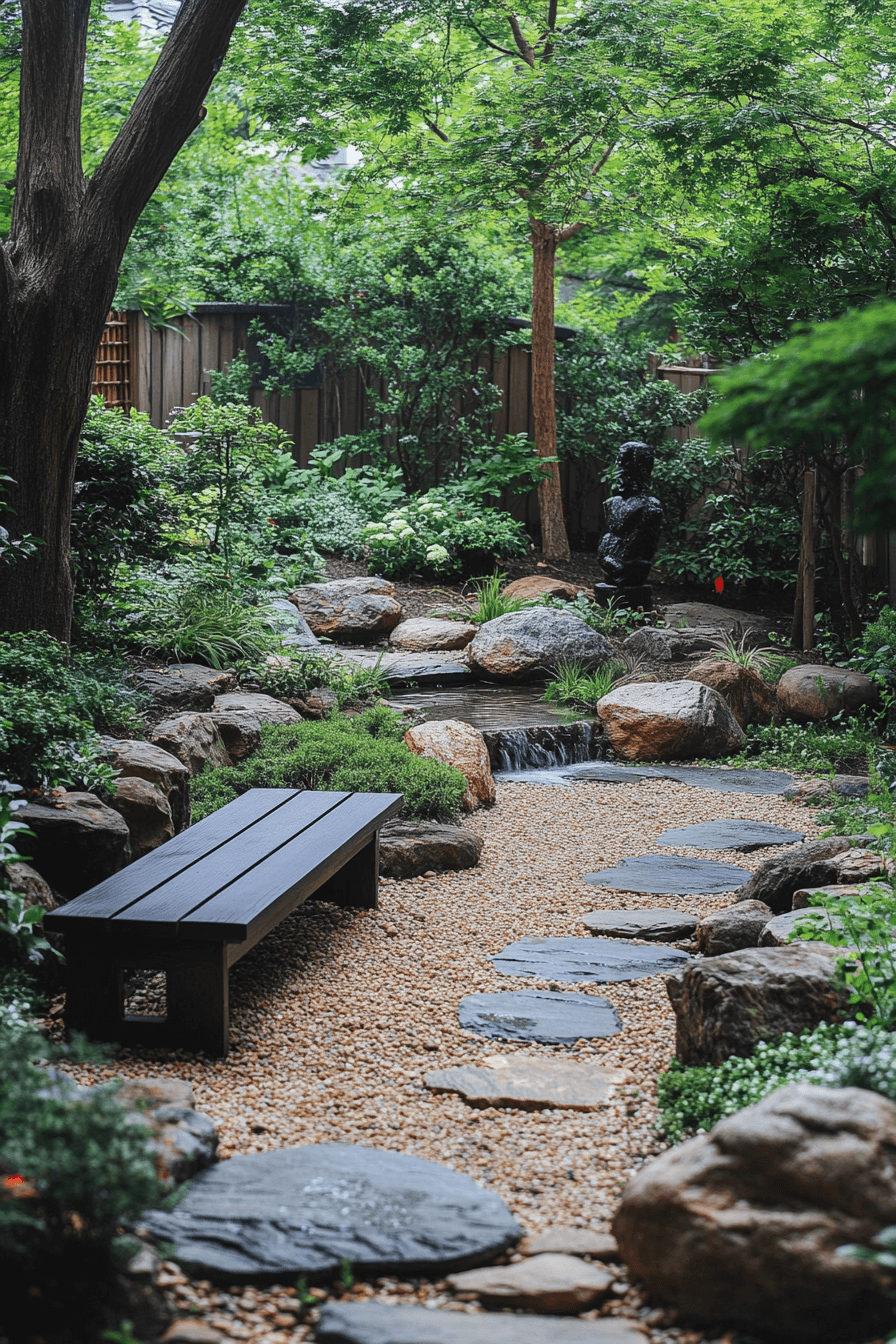
Small spaces hold deep peace in this wabi sabi garden filled with peaceful patches. Soft moss underfoot, a lone tree, or a weathered bench invite stillness and reflection. Each area feels personal and sacred, a retreat from the noise of life. Here, simplicity becomes meditation.
★ Steal This Look
- Paint Color: Sherwin-Williams Rookwood Dark Brown SW 2808
- Furniture: low-profile dark stained cedar or ipe wood slatted bench with clean lines
- Lighting: solar-powered bollard lights with warm 2700K amber glow tucked among plantings
- Materials: river-worn granite boulders, pea gravel, irregular bluestone pavers, untreated cedar fencing, moss and ferns
This corner asks you to slow down—the bench faces away from the house so you’re forced to look at nothing but green and stone.
12. Organic Flow Space
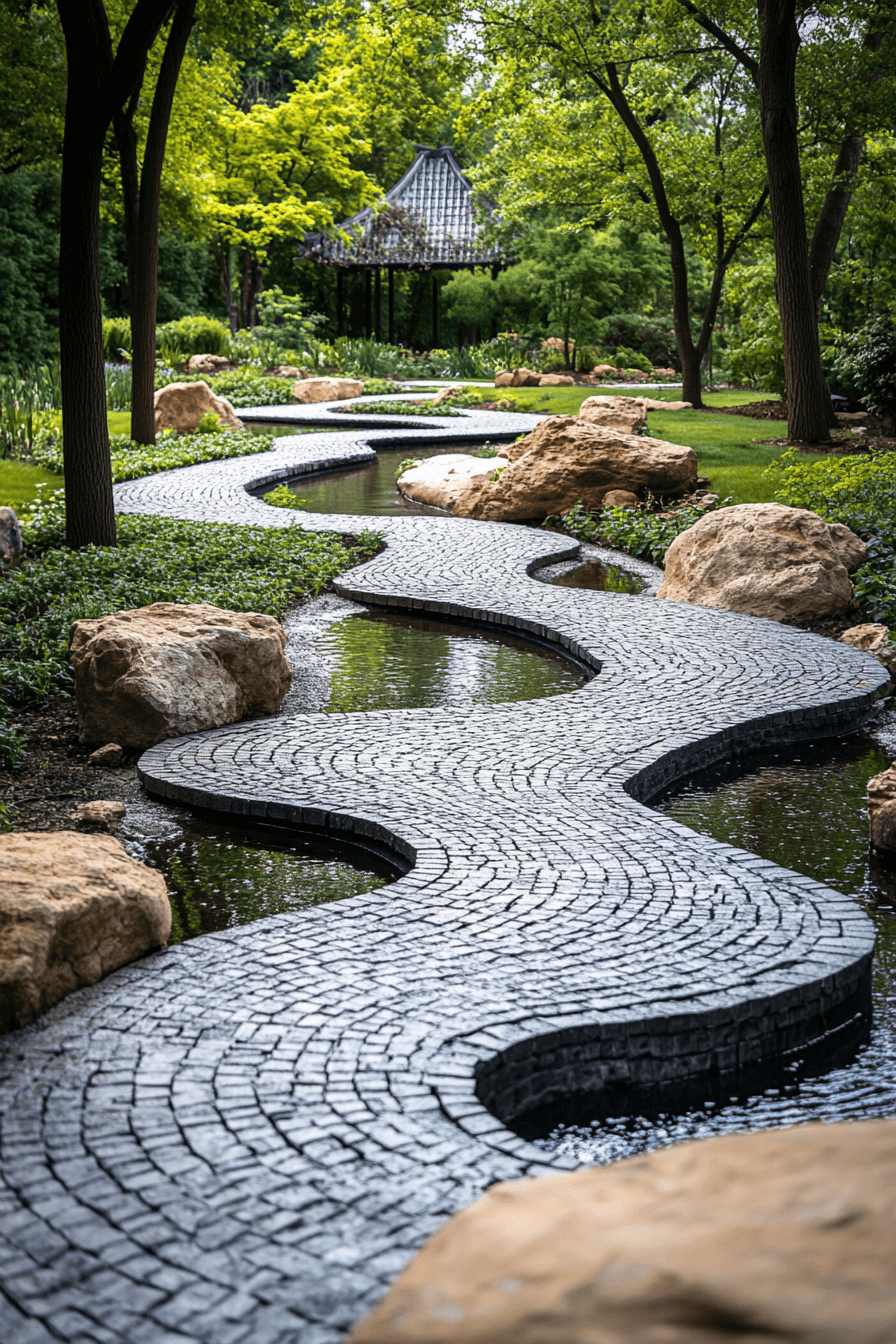
Flowing paths and gentle arcs define the wabi sabi garden guided by organic curves. Every bend mirrors wind and water, softening the land with natural grace. Plants follow these rhythms, weaving a seamless connection between human touch and earth’s movement. The result is harmony through flow.
🏠 Steal This Look
- Paint Color: Benjamin Moore Kendall Charcoal HC-166
- Furniture: low-profile teak garden bench with weathered gray finish
- Lighting: solar-powered paper lantern string lights with warm amber glow
- Materials: tumbled granite cobblestones, raw limestone boulders, moss, weathered wood
This is the garden that slows your nervous system—every curve invites you to meander rather than rush toward a destination.
13. Zen Stone Pathway
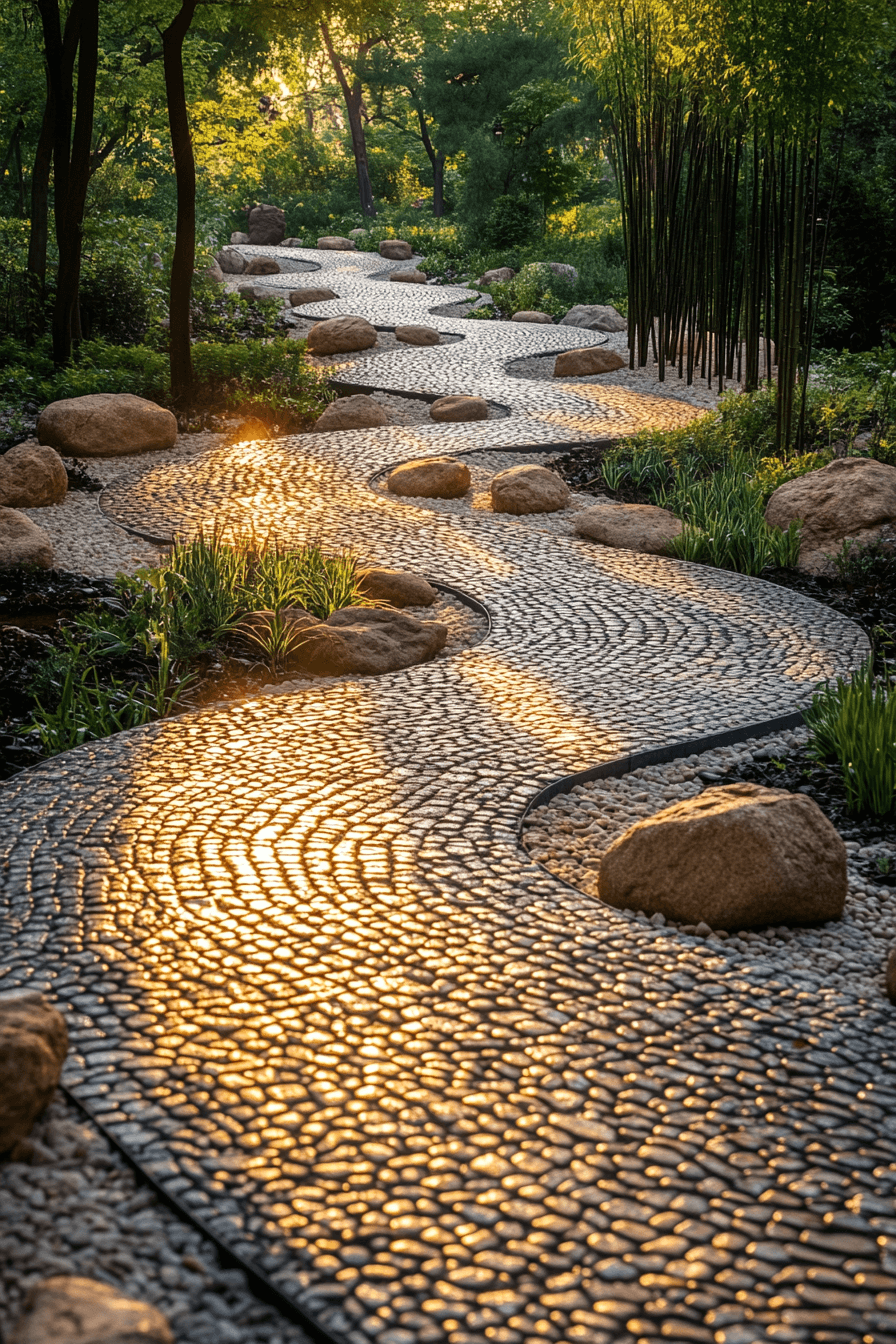
Smooth, rounded stones guide the journey in this wabi sabi garden featuring tranquil pebble paths. As you walk, the texture underfoot encourages mindfulness and calm. Each step feels like meditation, grounding you in the present. The sound of gravel crunching becomes its own music.
★ Steal This Look
- Paint Color: Farrow & Ball Green Smoke 47
- Furniture: low wooden meditation bench in weathered teak
- Lighting: solar-powered ground-level LED path lights with warm 2700K output
- Materials: river rock cobblestones, granite boulders, crushed gravel, untreated teak, black metal edging
This is the garden you escape to when the house feels too loud—no furniture to maintain, just the sound of your own footsteps slowing down.
14. Raw Nature Refuge
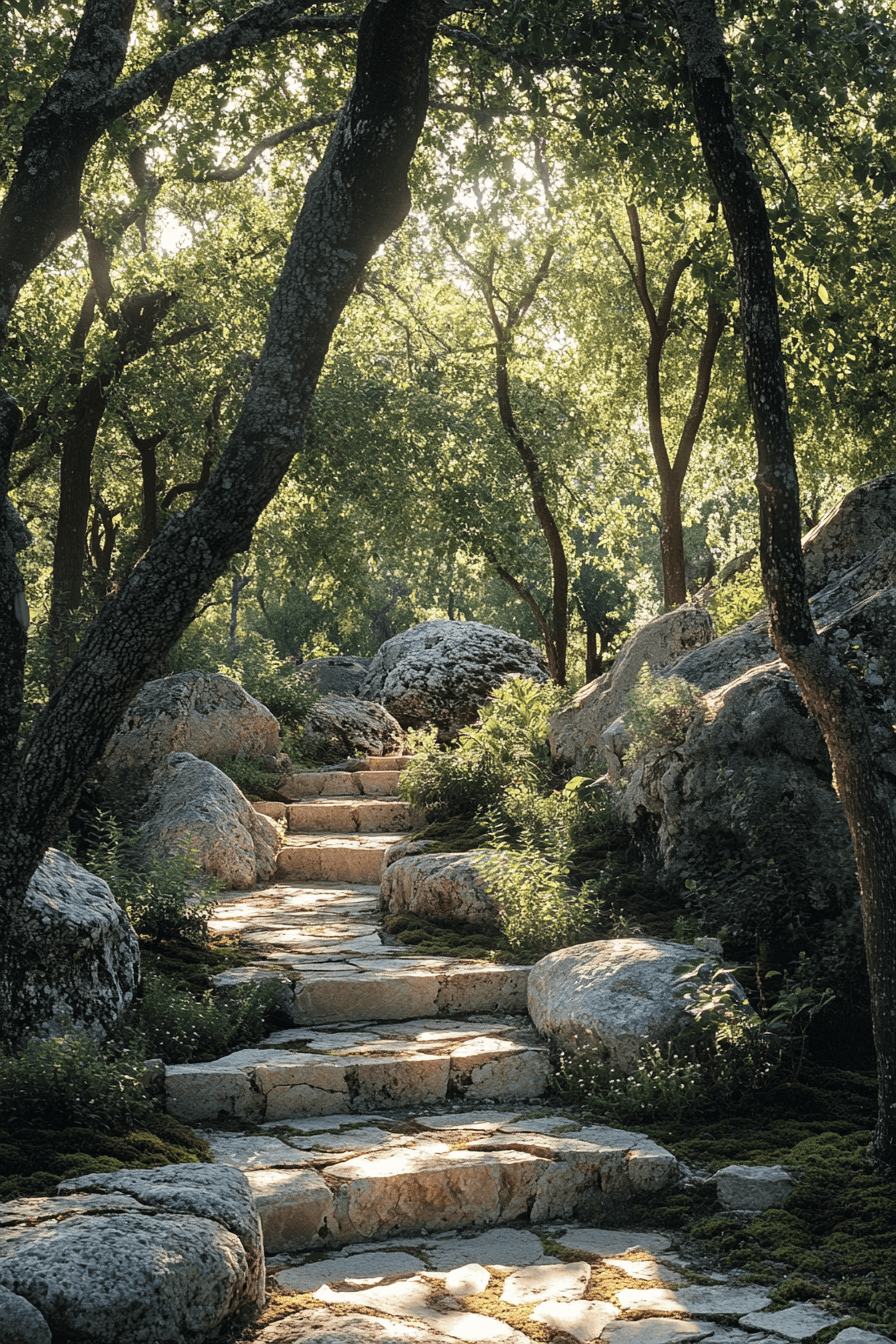
The wabi sabi garden known as raw beauty retreat reveals elegance through authenticity. Unrefined boulders, weathered wood, and native blooms radiate natural strength. Nothing is polished, yet everything feels purposeful. It’s a sanctuary that honors time, texture, and truth.
★ Steal This Look
- Paint Color: Behr Burnished Clay N220-4
- Furniture: low-profile stone garden bench carved from single limestone block
- Lighting: solar-powered bollard lights with weathered bronze finish
- Materials: rough-cut flagstone, moss-covered granite boulders, untreated cedar mulch, native ferns
There’s something deeply grounding about walking a path that refuses to be perfect—each uneven step reminds you that nature, not manufacture, shaped this moment.
15. Fluid Garden Grace
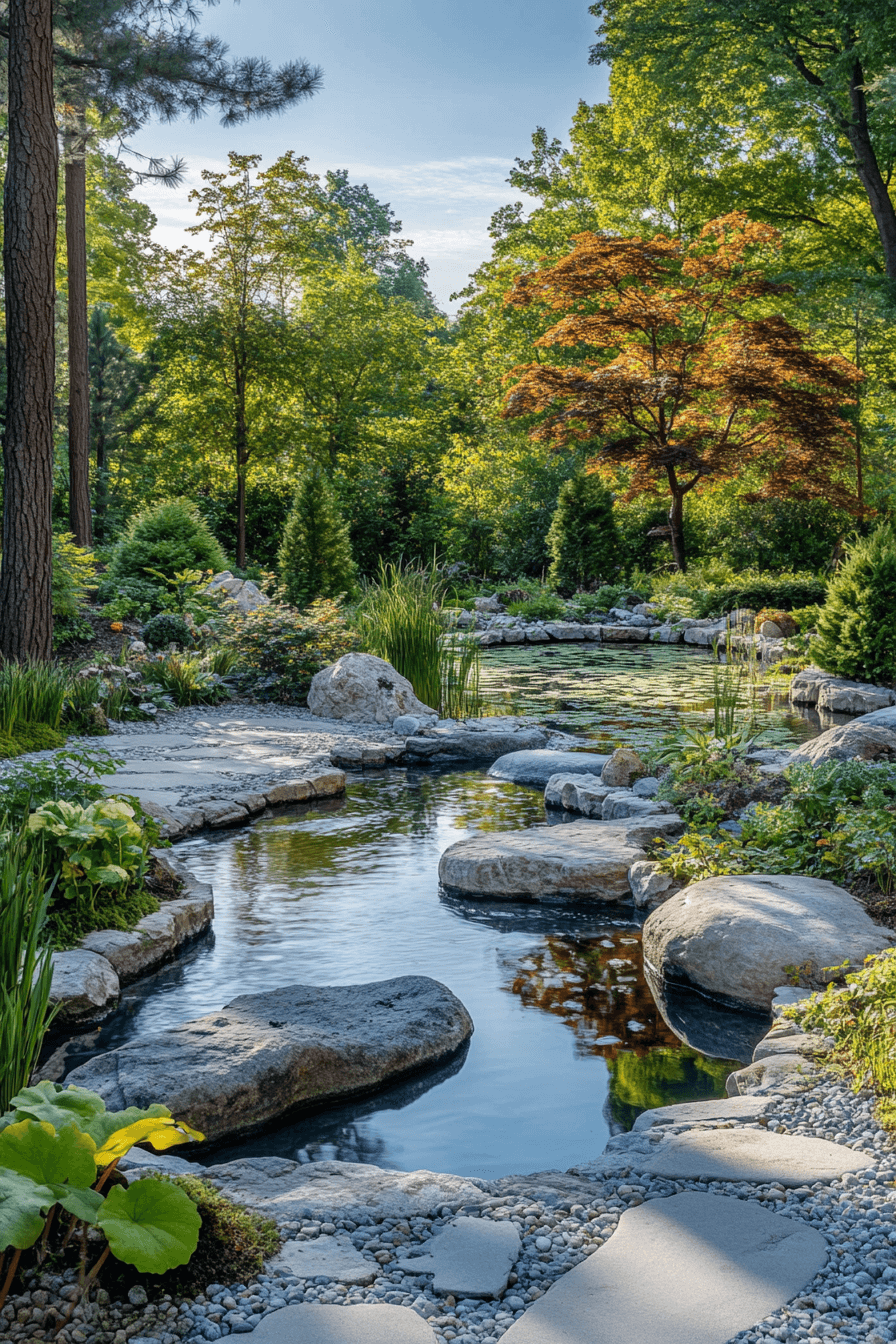
Gentle movement and graceful flow define the wabi sabi garden built on fluid forms. Rounded stones, curved plantings, and soft water features guide the eye in rhythmic harmony. The sound of trickling water adds a calming soundtrack to the space. Every shape feels alive and breathing.
★ Steal This Look
- Paint Color: Valspar Garden Shadow 5005-3C
- Furniture: low stone garden bench with weathered wood seat
- Lighting: solar-powered copper path lights with warm 2700K glow
- Materials: smooth river rock, weathered limestone boulders, pea gravel, moss, and natural cedar mulch
This garden invites you to slow down and actually listen—the water moving over stone becomes white noise that drowns out the rest of your week.
16. Aged Patio Peace
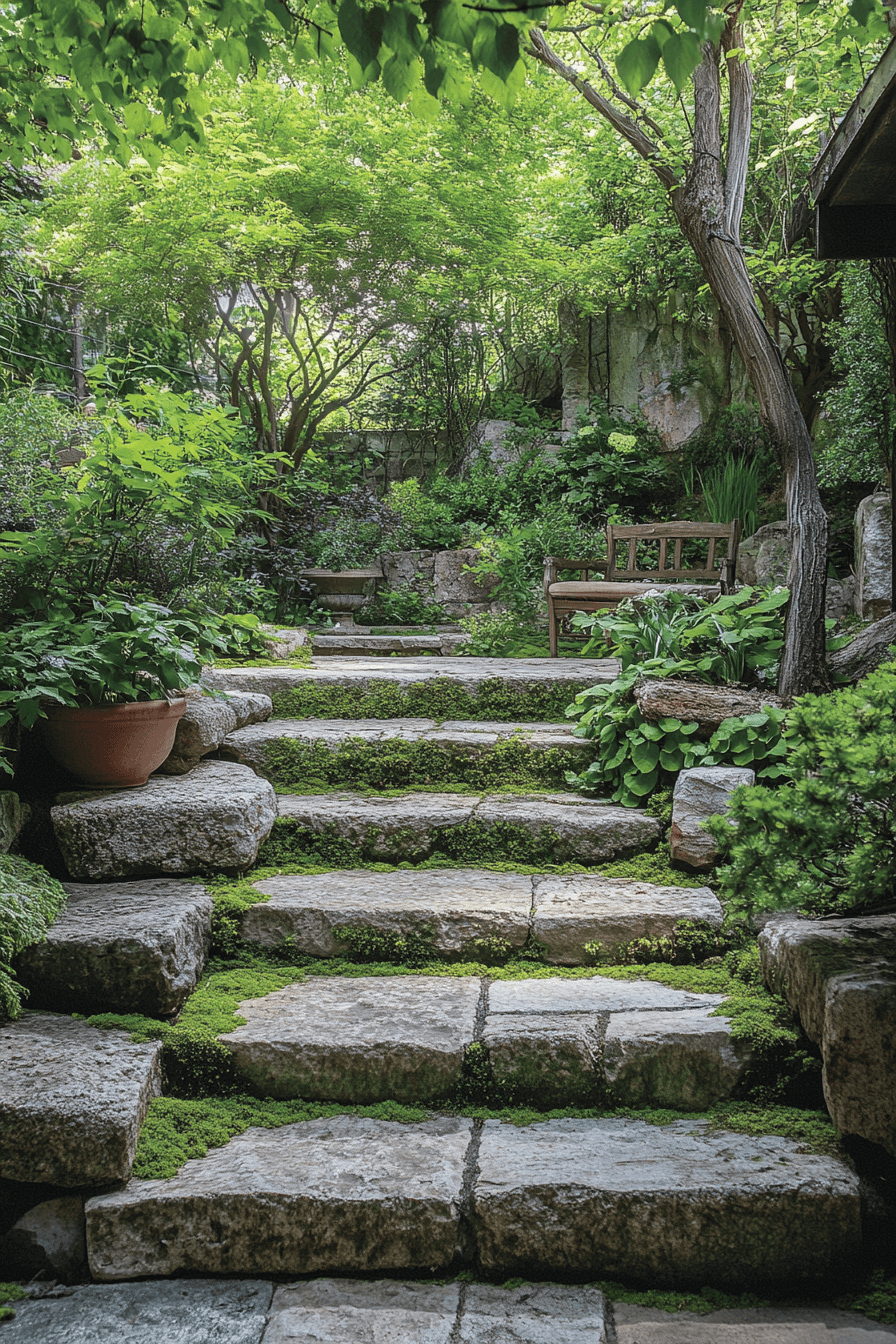
Aged materials shine in this wabi sabi garden, where time-worn patios tell their stories through cracks and moss. Each stone and brick holds character, deepened by weather’s touch. The imperfections feel romantic and real. It’s where time itself becomes design.
🌟 Steal This Look
- Paint Color: PPG Stonehenge Greige PPG1003-4
- Furniture: simple slatted teak garden bench with weathered gray finish
- Lighting: low-voltage brass path lights with frosted glass
- Materials: rough-cut limestone, sheet moss, aged terracotta, untreated teak
This is the garden you stumble into after a hard week—no perfection demanded, just the quiet company of things that have aged gracefully alongside you.
17. Unpolished Earth Beauty
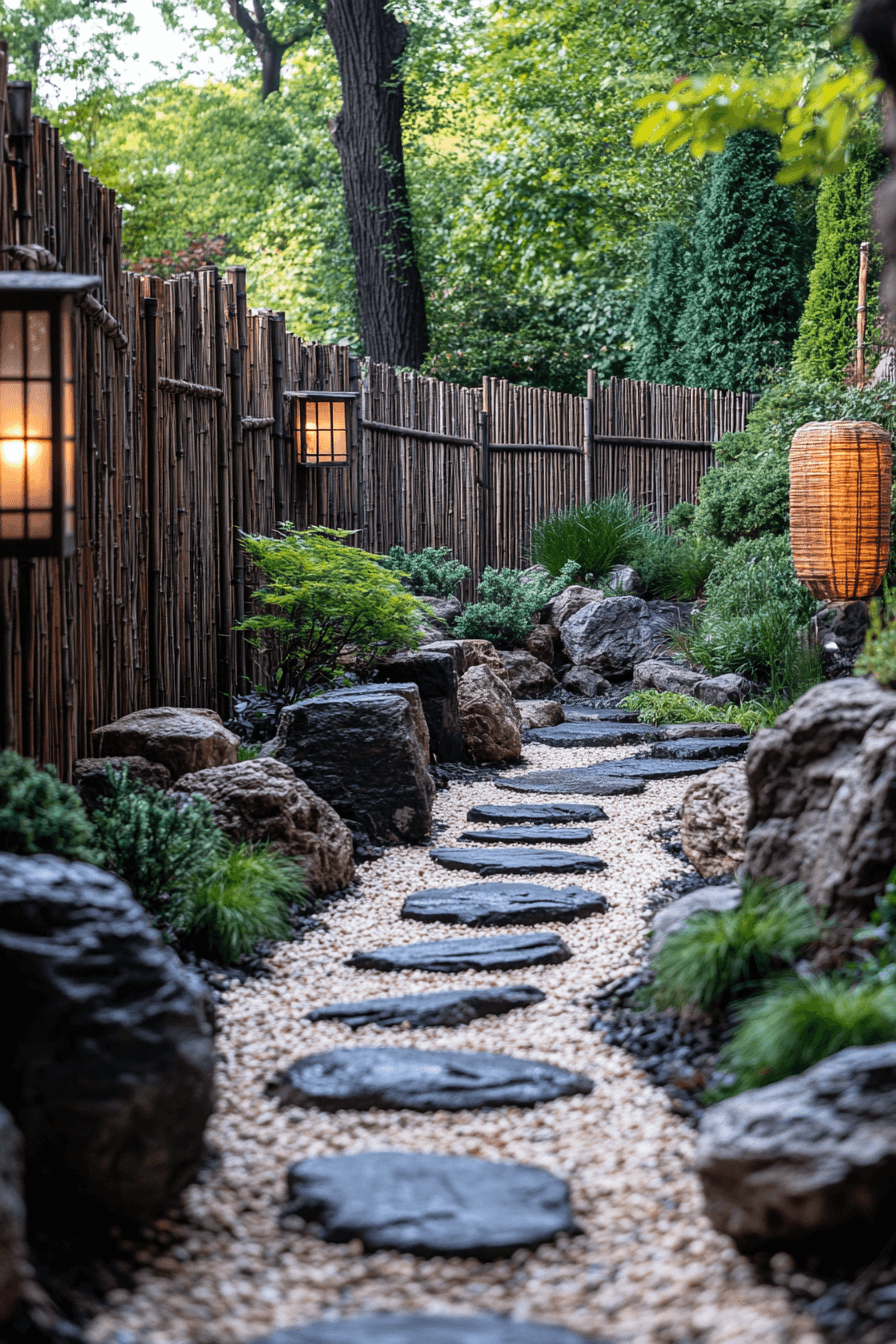
Celebrate imperfection with a wabi sabi garden devoted to unpolished perfection. Rough stones, uneven wood, and natural textures remind us that beauty doesn’t need refinement. Plants grow freely without strict pruning, thriving in their pure form. The result is effortlessly authentic.
✎ Steal This Look
- Paint Color: Dunn-Edwards Weathered Bamboo DE6211
- Furniture: low stone meditation bench or weathered teak garden stool positioned beside the pathway for contemplative seating
- Lighting: traditional Japanese andon floor lantern with washi paper panels and bamboo frame
- Materials: rough-split bamboo fencing, irregular dark slate stepping stones, beige pea gravel, weathered limestone boulders, woven rattan accents
This is the garden you wander when your mind won’t quiet—no straight lines demanding attention, just earth doing what it does best. It asks nothing of you except presence.
18. Nature’s Sculpted Touch
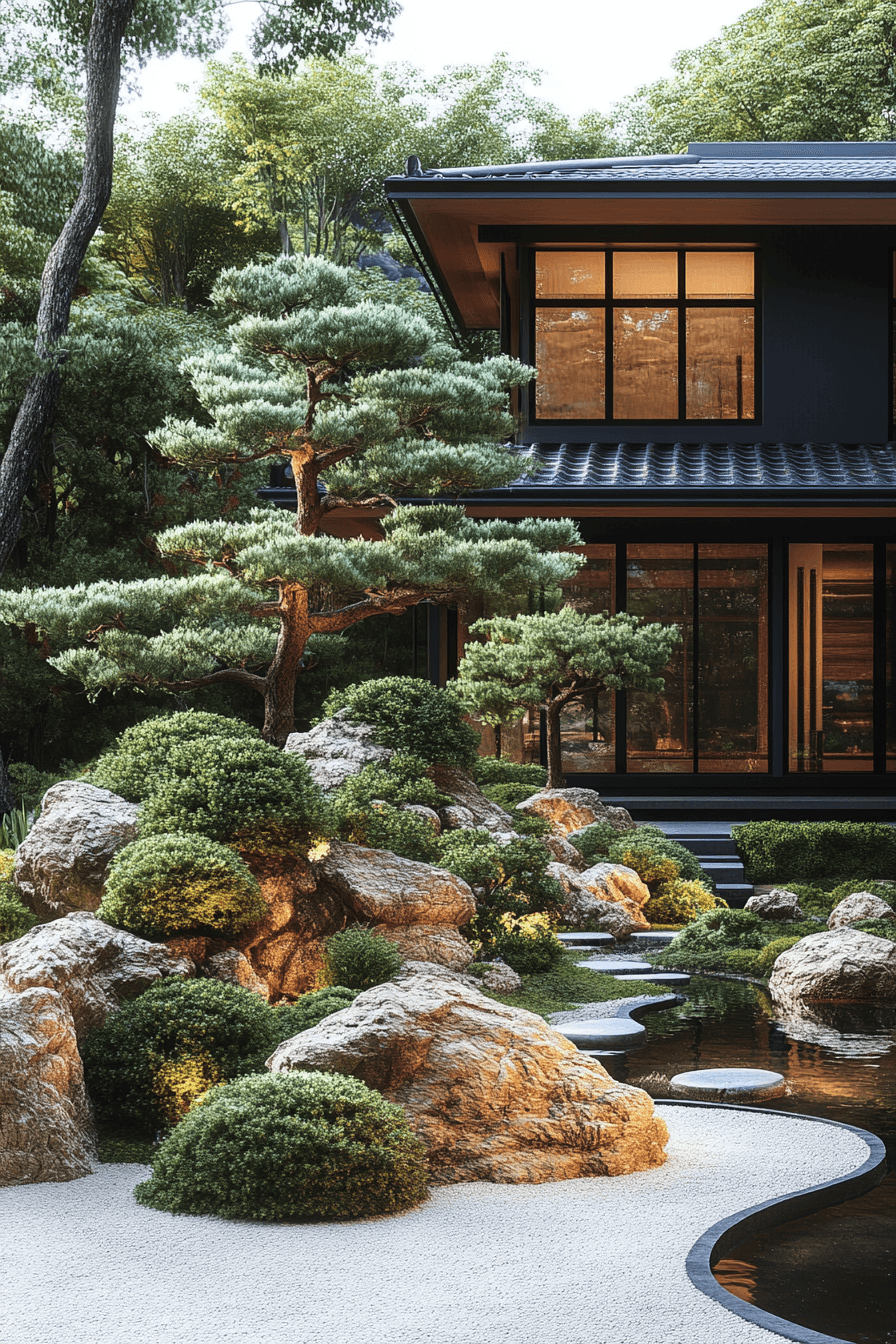
Nature becomes the artist in a wabi sabi garden sculpted by the elements. Wind-twisted branches, rain-shaped stones, and sun-faded surfaces form a living masterpiece. Minimal human interference keeps the focus on earth’s quiet creativity. It’s a tribute to time and transformation.
🖼 Steal This Look
- Paint Color: Clare Paint Ironclad CW-09
- Furniture: low-profile ipe wood bench with clean lines
- Lighting: linear LED path lights with bronze finish
- Materials: weathered granite boulders, raked white gravel, moss, blackened wood siding
This garden invites you to slow down and notice how water darkens stone edges at dusk—it’s designed for quiet observation rather than entertaining crowds.
🌊 Get The Look
19. Whispering Grass Calm
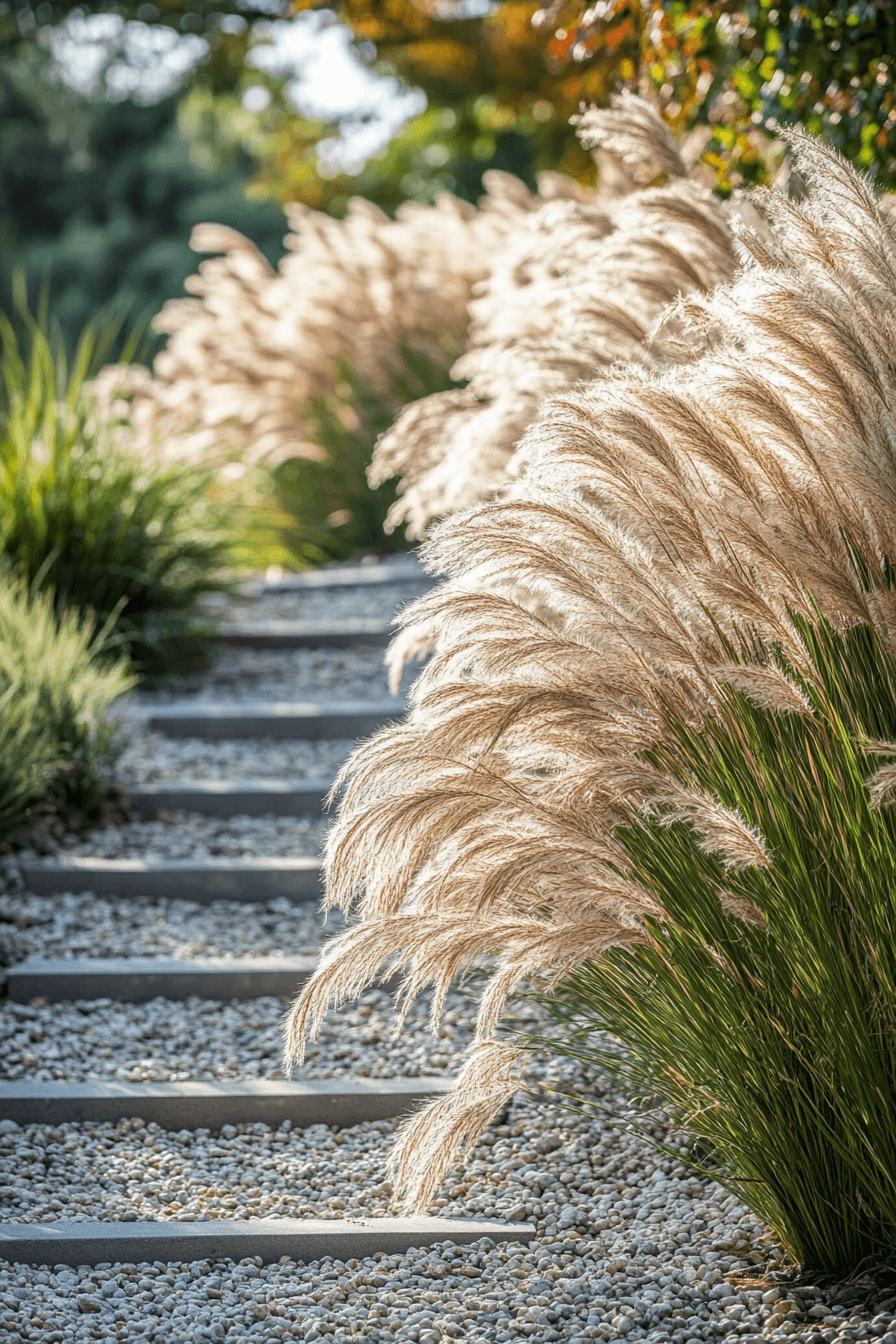
Whispering grasses sway gracefully in this wabi sabi garden, creating soft music with every breeze. Ornamental and native varieties grow freely, adding motion and texture. The garden feels alive—gentle, rhythmic, and free. Every gust carries peace.
🌟 Steal This Look
- Paint Color: Fine Paints of Europe Pampas FE-29
- Furniture: low-profile corten steel fire bowl with matching weathered steel garden bench
- Lighting: solar-powered bollard lights with frosted glass and brushed bronze finish
- Materials: weathered steel edging, crushed limestone gravel, dried pampas grass plumes, raw linen outdoor cushions
This is the garden path that slows your steps without you noticing—the kind of space where you find yourself pausing just to watch light move through grass. It asks nothing of you except presence.
20. Echoes of Stillness
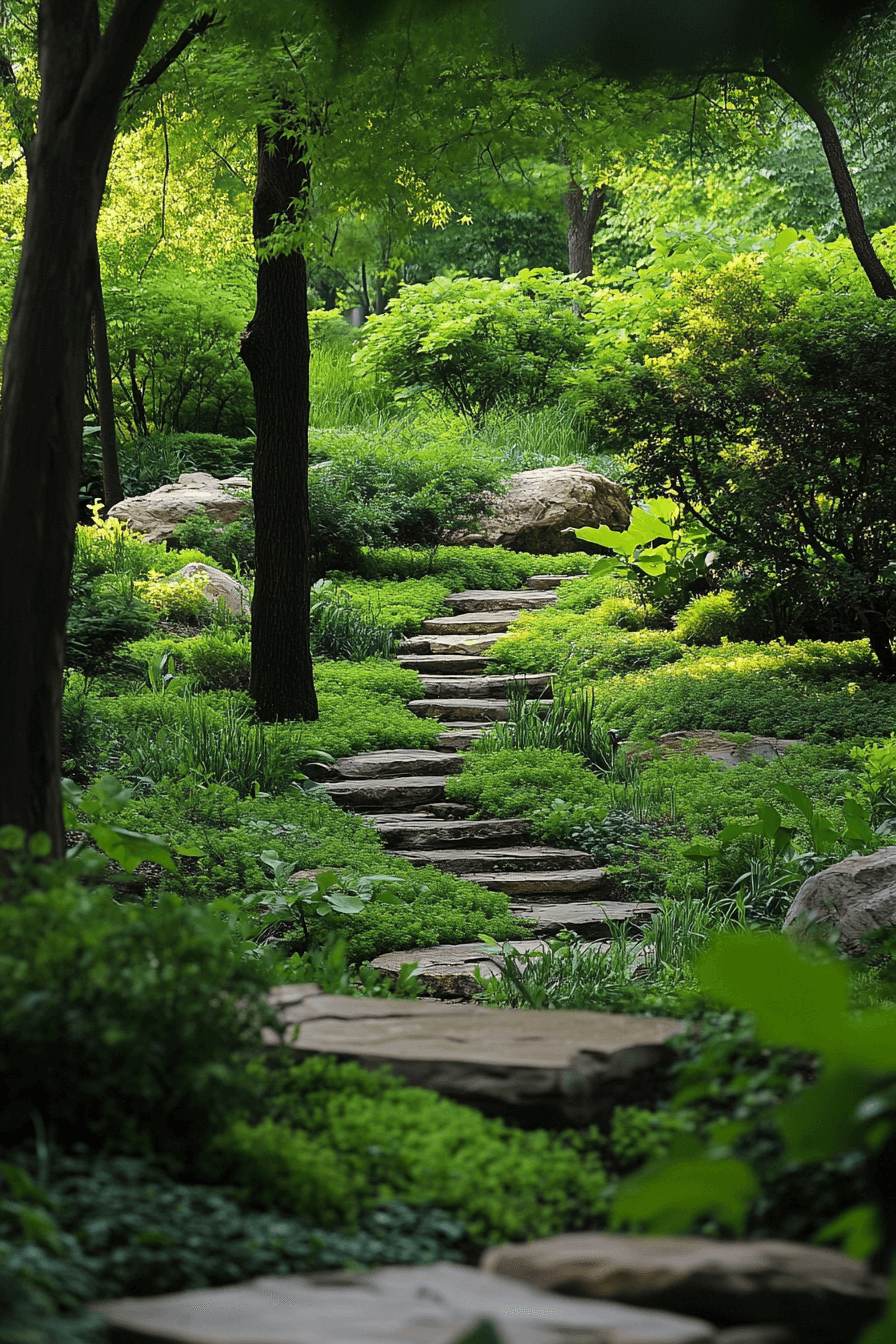
Soothing and balanced, this wabi sabi garden called echoes of green thrives in shades of calm. Layered foliage in emerald, sage, and olive tones creates a lush, harmonious scene. Every plant complements the next in subtle beauty. The color alone invites rest.
★ Steal This Look
- Paint Color: Backdrop Arbor CODE
- Furniture: low stone garden bench with weathered wood seat
- Lighting: solar-powered bollard lights with frosted glass
- Materials: rough-hewn flagstone, moss, untreated cedar, river rock
This garden asks you to slow down; the uneven stones force mindful steps, turning a simple walk into moving meditation.
21. Tangled Green Peace
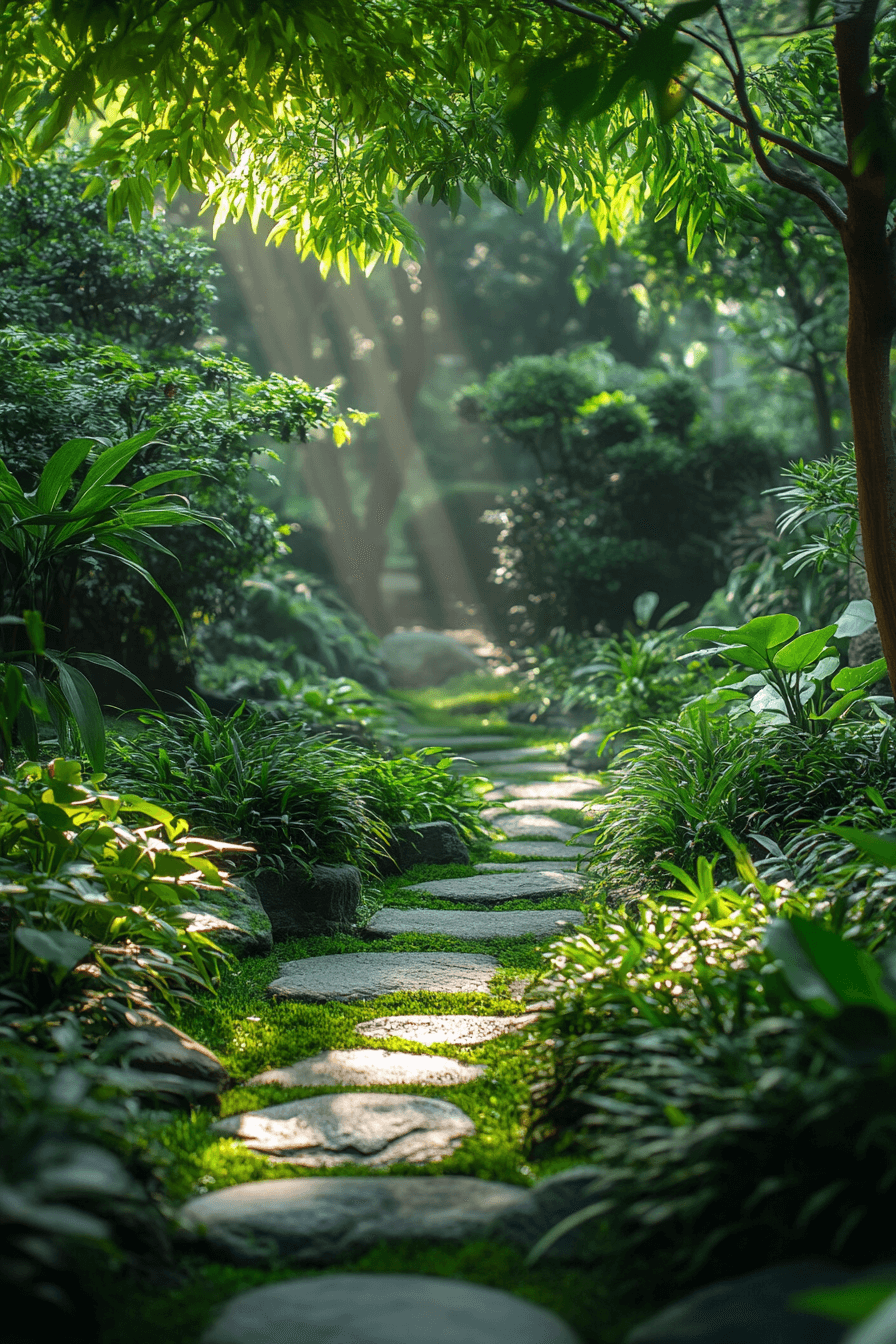
Tangled greenery brings vibrancy to this untamed wabi sabi garden where nature writes its own design. Plants intertwine freely, creating lush layers of growth and texture. The wild mix celebrates life’s organic rhythm over rigid control. It’s beauty in beautiful chaos.
★ Steal This Look
- Paint Color: Sherwin-Williams Ripe Olive SW 6209
- Furniture: low-profile teak garden bench with weathered gray finish
- Lighting: solar-powered copper stake lights with warm amber glow
- Materials: irregular bluestone pavers, live moss, river rock borders, untreated teak
This is the garden that asks nothing of you but presence—no perfection, no performance, just the quiet company of things growing as they will.
22. Muted Earth Tones
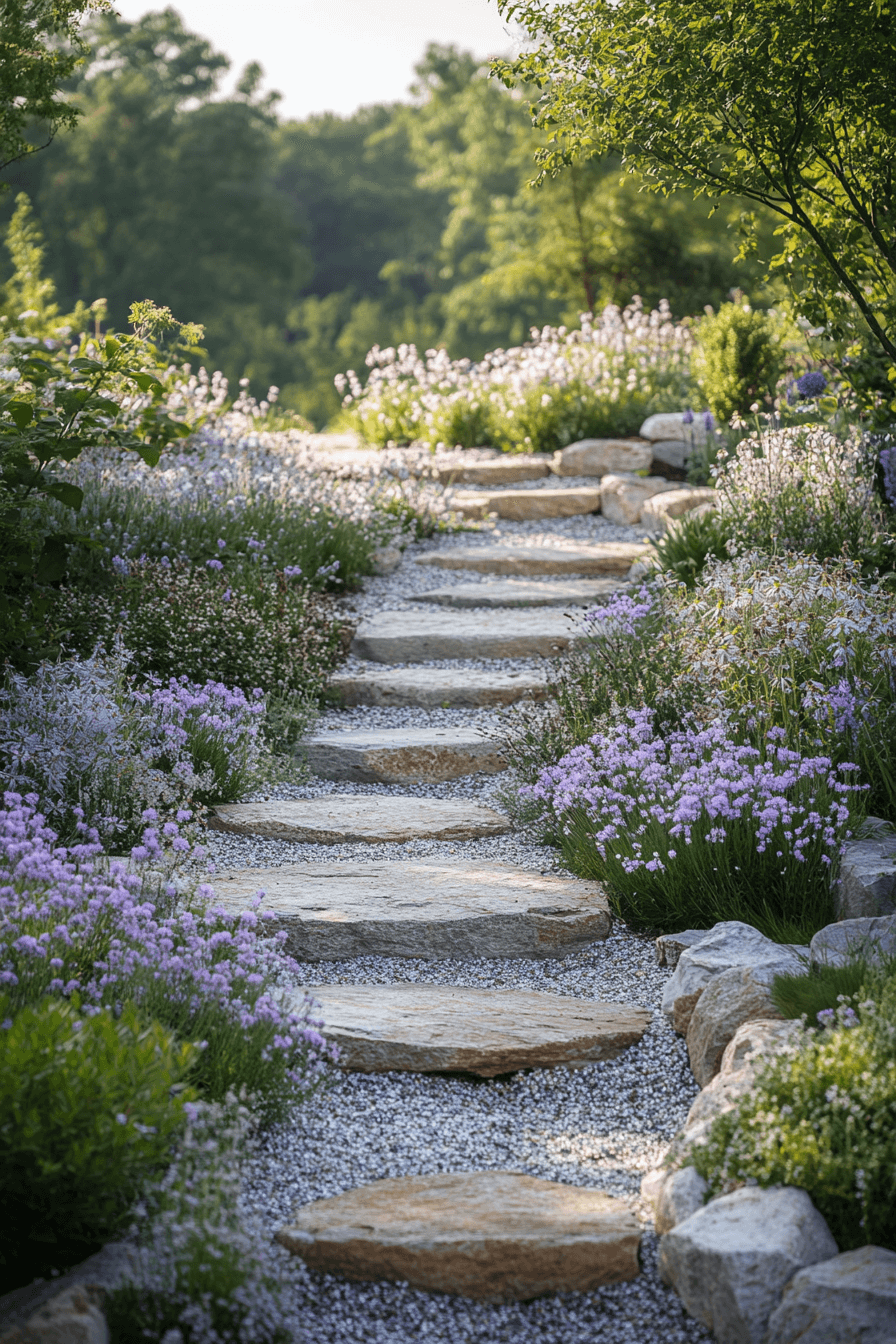
Muted elegance defines this wabi sabi garden filled with subdued shades. Dusty blues, silvery greens, and soft yellows create a palette that soothes the eye. The calm tones blend perfectly with the earth and sky. Subtle color becomes poetry.
🌟 Steal This Look
- Paint Color: Benjamin Moore Gray Owl OC-52
- Furniture: weathered teak garden bench with live-edge backrest
- Lighting: solar-powered brass pathway stake lights with frosted glass
- Materials: limestone flagstone, crushed granite gravel, untreated cedar mulch, fieldstone boulders
This is the garden path that slows your morning coffee walk and turns it into a meditation—every uneven stone underfoot reminds you that beauty lives in imperfection.
23. Mosaic of Nature
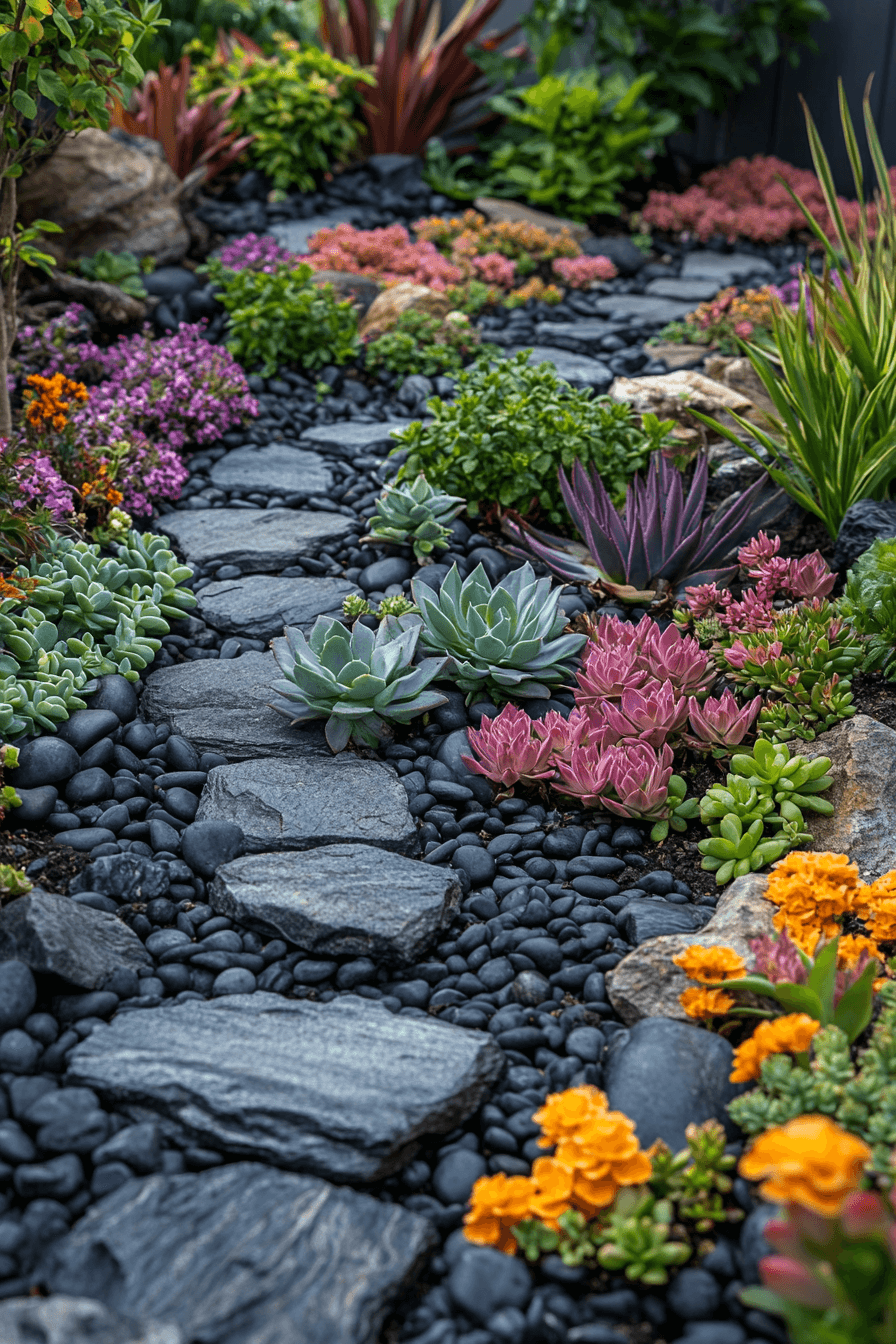
This wabi sabi garden known as nature’s mosaic brings together diverse plants in harmonious contrast. Layers of texture and tone form a living tapestry that shifts with each season. The imperfections make it even more captivating. Every patch tells a story of growth and change.
🌟 Steal This Look
- Paint Color: Farrow & Ball Down Pipe 26
- Furniture: weathered teak garden bench with live edge
- Lighting: solar-powered copper path lights with amber glow
- Materials: dark Mexican beach pebbles, irregular flagstone, drought-tolerant succulents, volcanic rock accents
This garden feels like a discovery, not a display—there’s something deeply calming about walking a path that refuses to rush you toward any single focal point.
✅ Get The Look
24. Barefoot Garden Joy
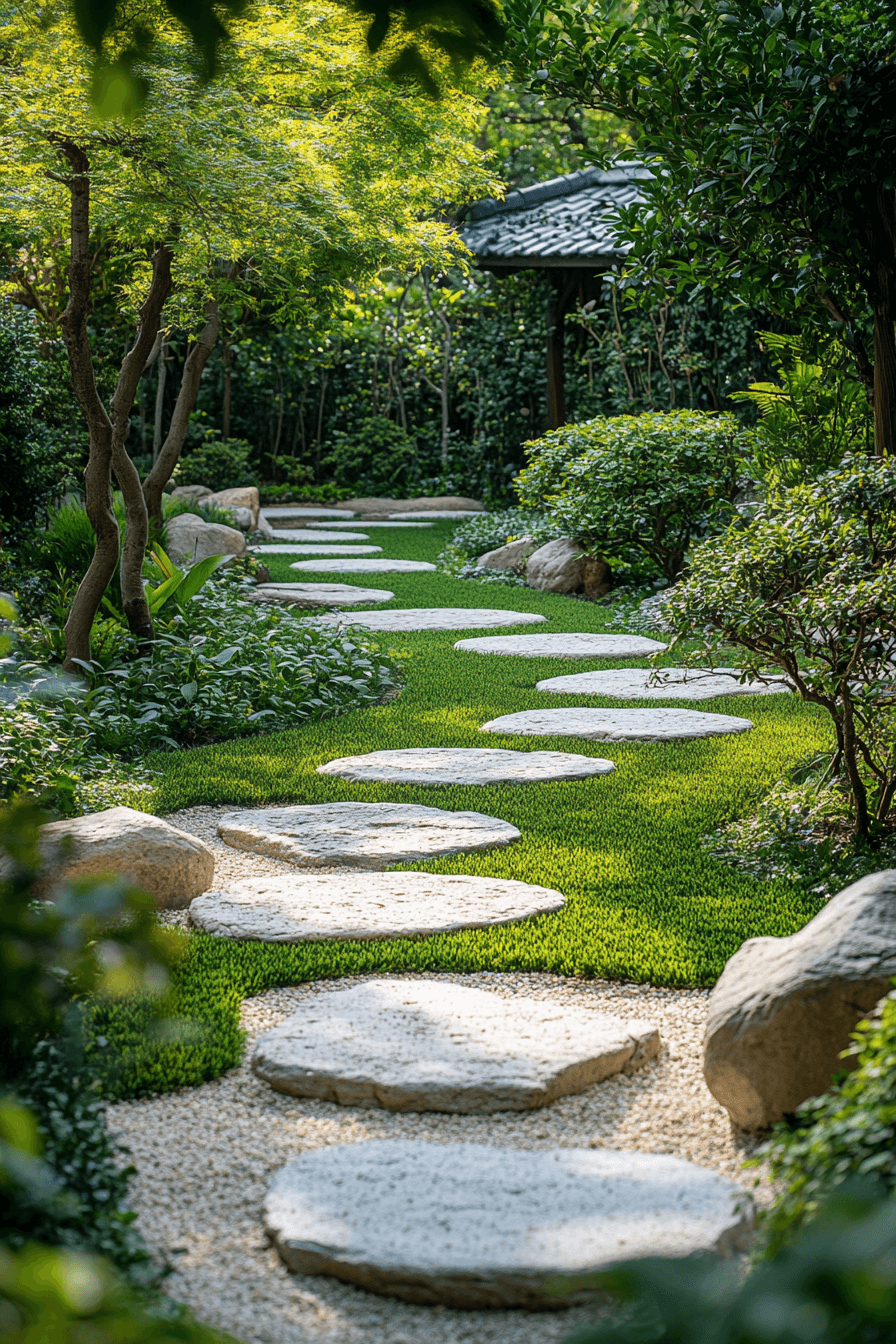
Barefoot bliss awaits in this sensory wabi sabi garden where soft moss and smooth stones meet beneath your feet. Each step reconnects you with the earth, offering calm and clarity. The experience is grounding, refreshing, and intimate. Here, nature invites touch and presence.
★ Steal This Look
- Paint Color: Behr Garden Wall S340-5
- Furniture: low wooden meditation bench with weathered teak finish
- Lighting: cast brass pathway bollard lights with frosted glass
- Materials: natural limestone stepping stones, pea gravel, moss, weathered wood, ceramic roof tiles
This garden asks you to slow down and actually feel where you’re going—there’s something almost rebellious about designing a space that refuses to be rushed through.
25. Untamed Bloom Haven
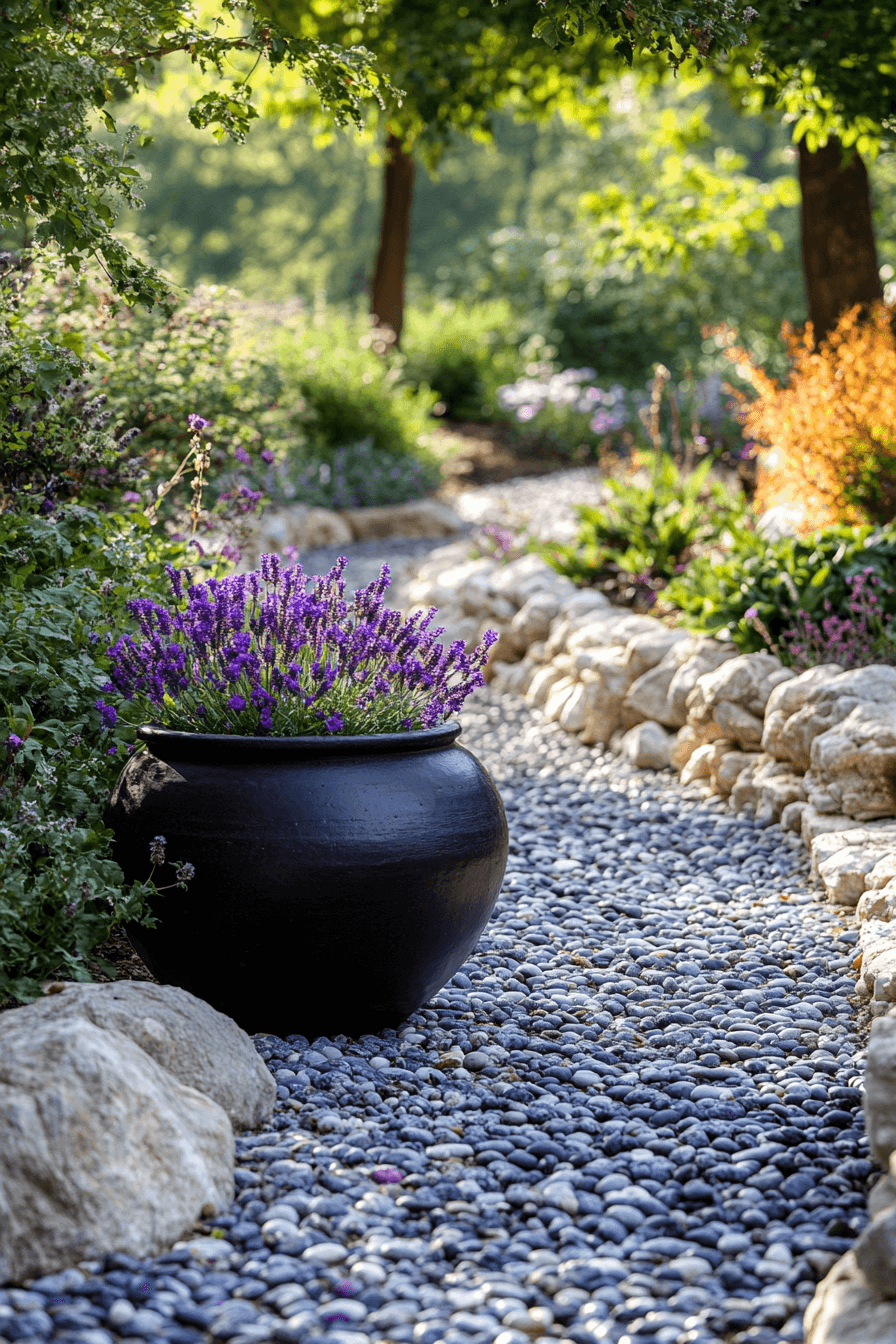
Freedom reigns in the wabi sabi garden that celebrates untamed borders. Flowers spill over paths, shrubs mingle naturally, and edges blur into the wild beyond. It’s harmony without restraint, authenticity without order. The result feels limitless and alive.
🏠 Steal This Look
- Paint Color: use Valspar brand. Match the ACTUAL wall color in the image. Format: Valspar ColorName CODE
- Furniture: low black ceramic garden stool or meditation seat positioned along the path edge
- Lighting: solar-powered copper path lights with warm 2700K output
- Materials: smooth river rock pebbles, rough-hewn limestone edging, unglazed black ceramic, weathered wood mulch
This garden whispers permission to stop editing nature—it’s the outdoor room where you finally exhale and let things grow a little wild.
26. Wind’s Gentle Whisper
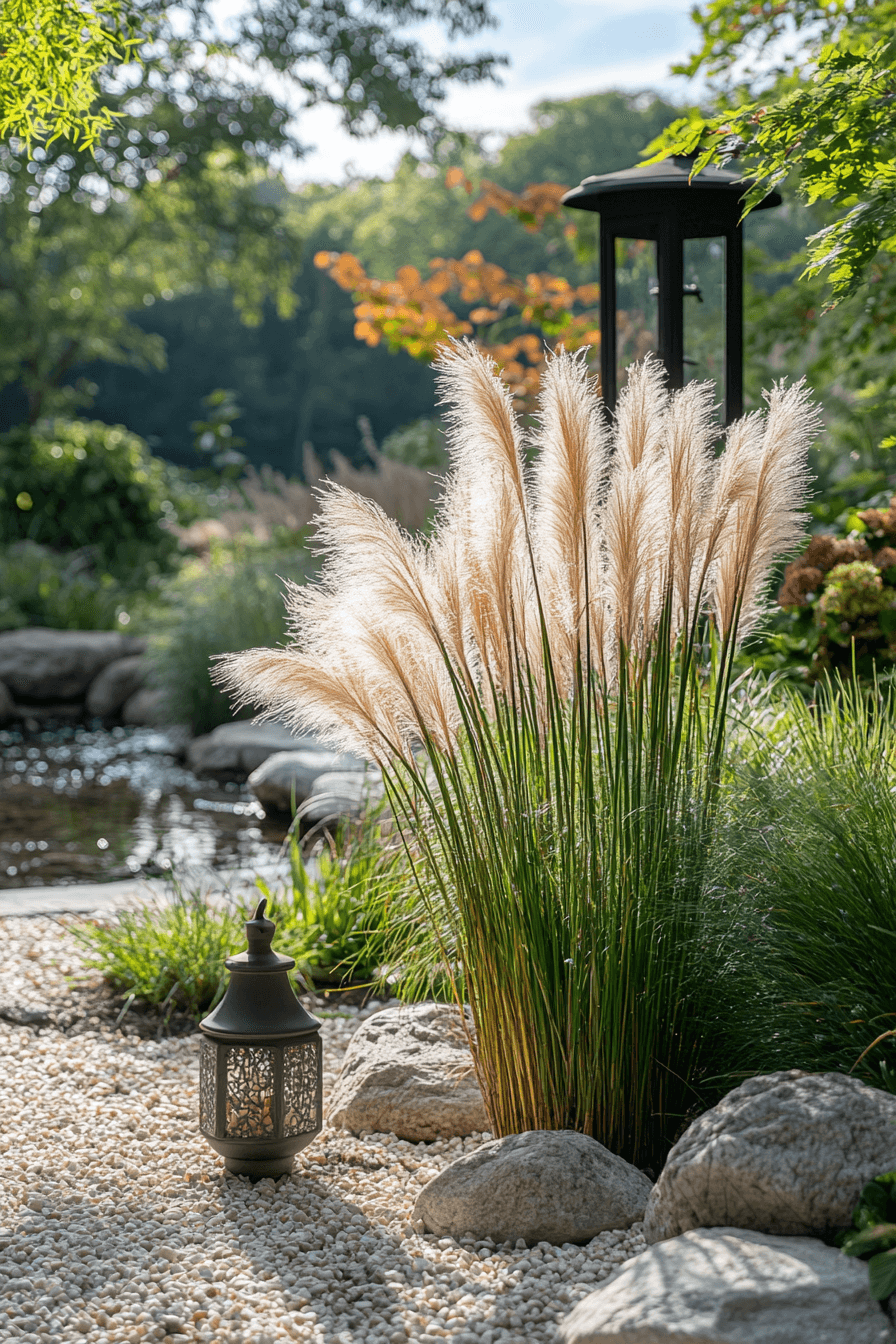
Wind and sound unite in this wabi sabi garden where whispering winds shape the experience. Tall grasses sway, chimes sing softly, and trees rustle like music. The breeze becomes part of the design, ever-changing and alive. It’s poetry in motion.
🌟 Steal This Look
- Paint Color: PPG Stonehenge Greige PPG1001-2
- Furniture: low stone garden bench or meditation platform positioned near the water’s edge
- Lighting: bronze-finish pierced metal garden lantern with candle-style LED
- Materials: river rock gravel, smooth granite boulders, dried pampas grass plumes, patinated bronze metalwork
There’s something deeply meditative about watching grass catch light and shadow differently every hour—this corner invites you to slow down and actually notice the breeze instead of rushing past it.
27. Shade of Simplicity
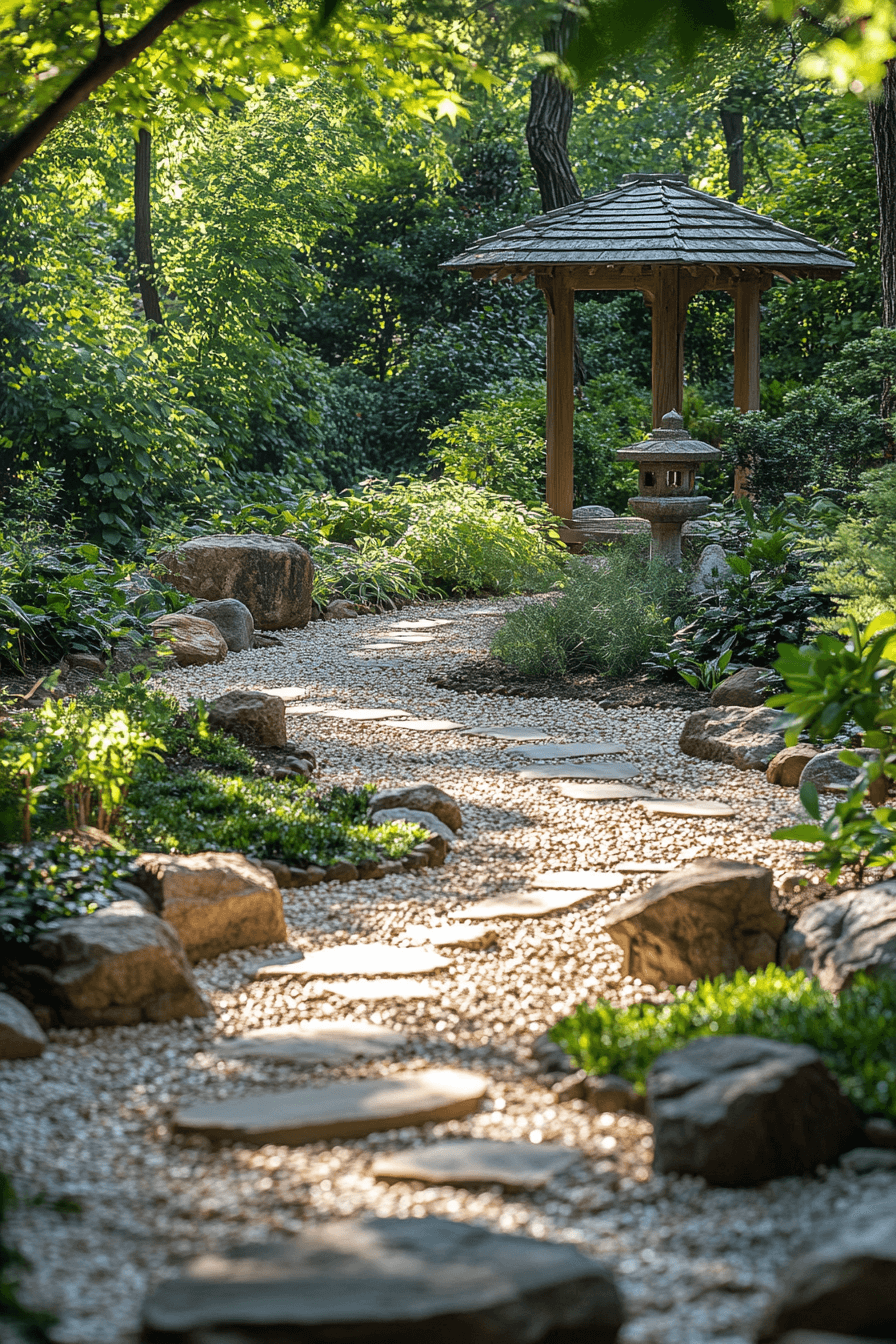
Peace lives in the shadows of a wabi sabi garden designed for simplicity in shade. Few plants, minimal structures, and gentle textures create quiet intimacy. Each leaf and beam of light becomes meaningful. It’s a place for stillness and thought.
💡 Steal This Look
- Paint Color: Dunn-Edwards Whisper Gray DEW 380
- Furniture: low wooden meditation bench or stone garden seat positioned near the gazebo for contemplative rest
- Lighting: stone tōrō lantern with solar LED insert for soft evening glow without visible wiring
- Materials: weathered cedar shingles, irregular flagstone, pea gravel, moss-covered boulders, untreated teak posts
This is the garden you escape to when the world feels too loud—no performance needed, just you and the sound of gravel underfoot.
🌊 Get The Look
28. Traces of Time
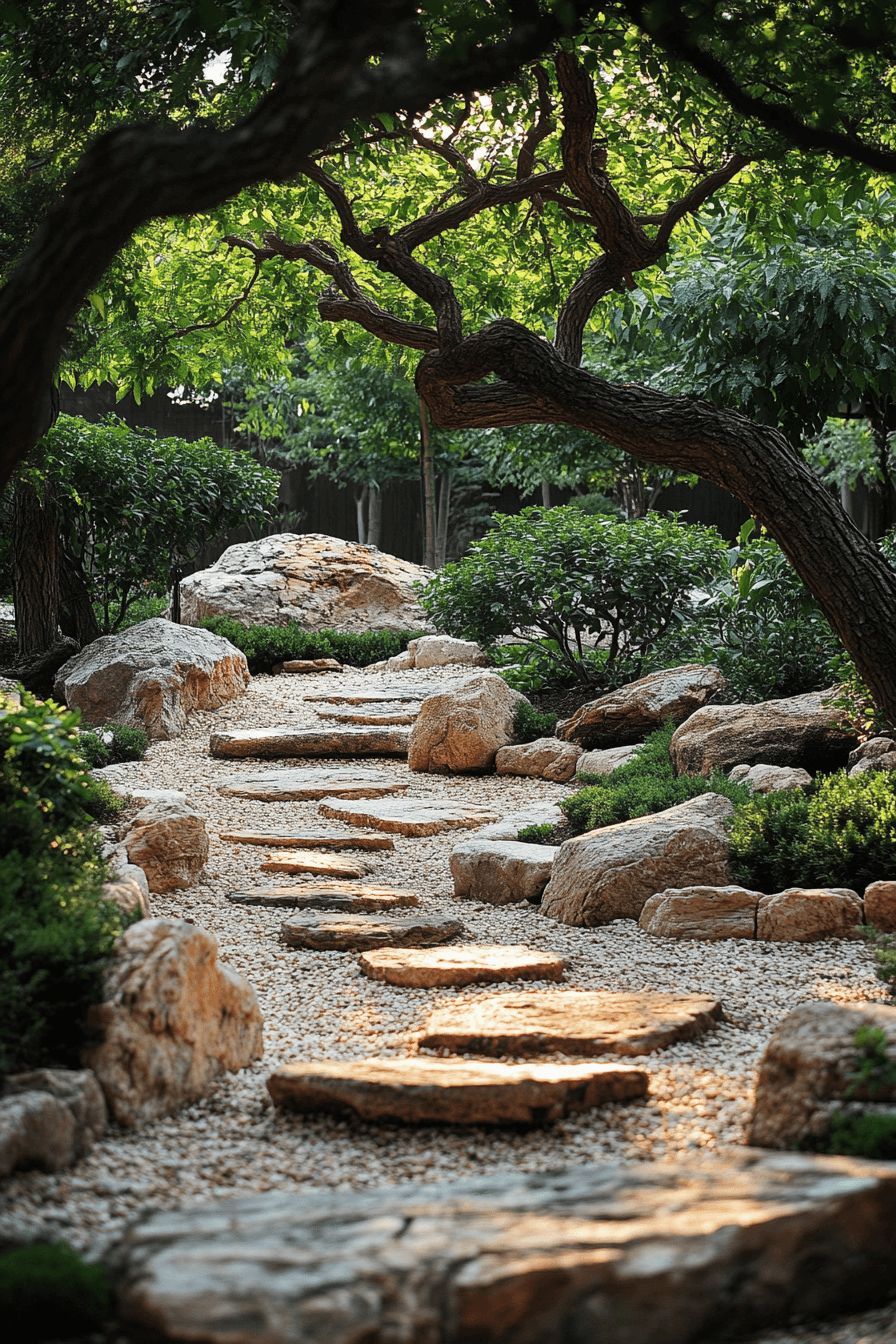
Weather’s touch becomes art in this evolving wabi sabi garden that wears its age proudly. Sun, rain, and wind transform materials over time, deepening their beauty. The marks of change tell stories of resilience and grace. It’s an ever-evolving reflection of life itself.
✎ Steal This Look
- Paint Color: Clare Paint Muddy Paws CW-15
- Furniture: low-profile stone garden bench carved from single weathered limestone block
- Lighting: solar-powered LED bollard lights with oxidized copper finish
- Materials: irregular flagstone, pea gravel, raw boulders, twisted hardwood branches, moss
This is the garden you wander when you need to remember that growing older only makes you more interesting—every crack and lichen patch here feels like earned wisdom.
29. Canopy of Calm
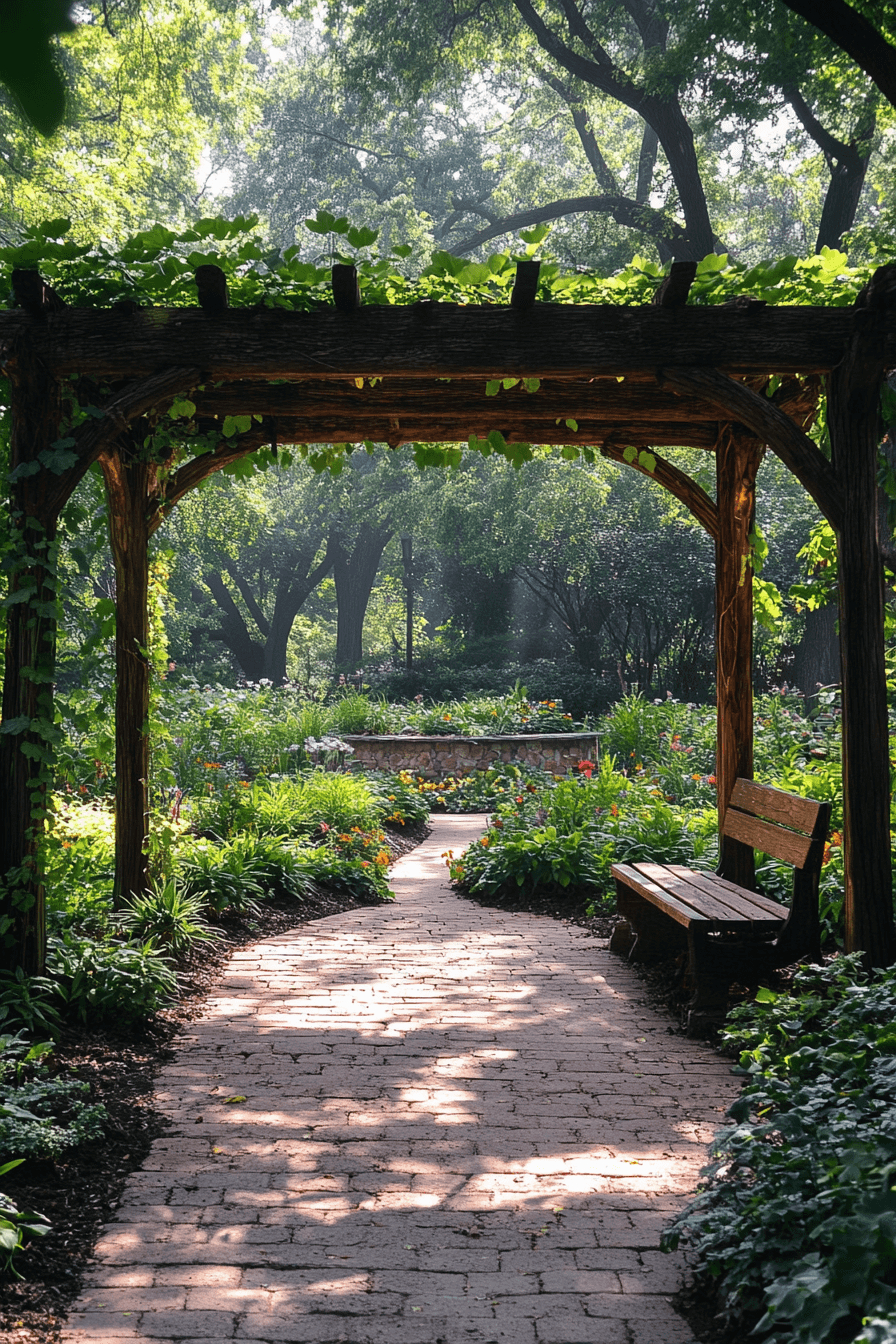
Serene and enveloping, the wabi sabi garden under a calm canopy invites reflection beneath soft green light. Branches and leaves weave natural shelter, filtering sunlight into golden hues. Imperfect growth patterns enhance the charm and authenticity. The world feels gentler here.
Wabi Sabi garden ideas show how embracing natural imperfection can create a peaceful, charming, and joyful outdoor space. With rustic elements, flowing greenery, and thoughtful accents, your garden becomes a serene retreat that sparks happiness every day. The best part is how easy it is to blend simplicity and style, crafting a garden that feels uniquely yours. Start exploring your favorite Wabi Sabi garden ideas today and enjoy an outdoor space that radiates tranquility, beauty, and joy!
🖼 Steal This Look
- Paint Color: Fine Paints of Europe Hollandlac Brilliant Moss Green HL-45
- Furniture: weathered teak bench with horizontal slats and simple iron frame
- Lighting: solar-powered festoon string lights with warm amber bulbs draped loosely across pergola beams
- Materials: rough-hewn cedar or reclaimed barn wood for arbor, aged clay brick pavers, untreated teak, climbing wisteria or grape vines
This is the garden moment where you stop trying to control nature and start collaborating with it—the bench invites you to witness that partnership daily.