Creating Your Perfect Farmhouse Kitchen Island: A Comprehensive Design Guide
Every home cook dreams of a kitchen centerpiece that’s both stunning and supremely functional. Enter the farmhouse kitchen island – the heart of rustic, warm culinary spaces that transform cooking from a chore into a delightful experience.

🌟 Steal This Look
- Paint Color: Sherwin-Williams Alabaster SW 7008
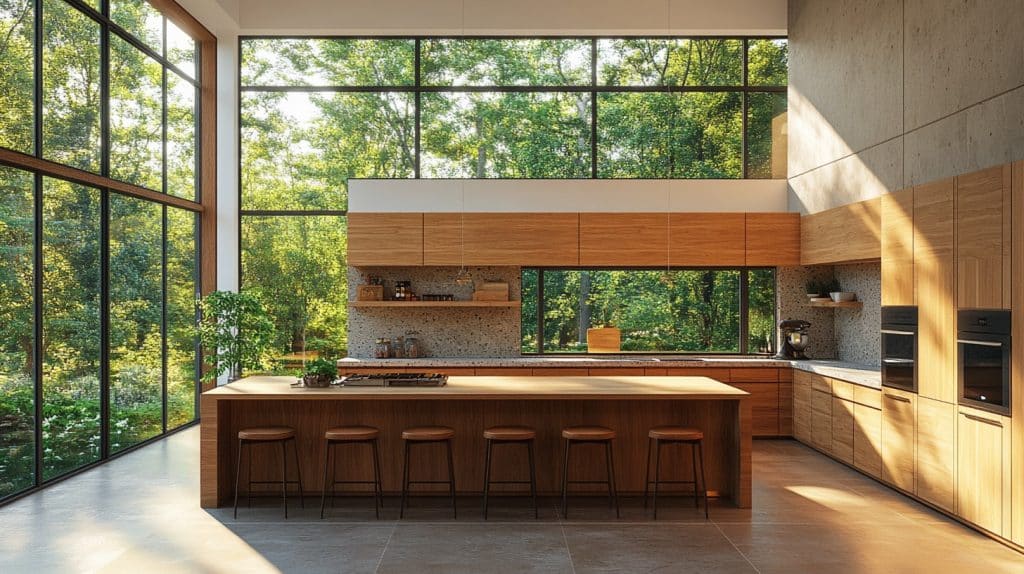
- Furniture: reclaimed wood base kitchen island with turned legs and a thick butcher block top
- Lighting: oversized black metal pendant with seeded glass shades, hung in a trio over the island
- Materials: distressed white oak, honed Carrara marble, matte black iron hardware, and woven rattan bar stools
This is the room where dough gets rolled at midnight and coffee gets sipped at dawn—your island should feel like it’s been there for generations, even if you built it last month.
Why a Farmhouse Kitchen Island?
Imagine a space that combines practicality with soul-warming charm. That’s exactly what a farmhouse kitchen island delivers. It’s more than just a countertop – it’s a gathering spot, a prep station, and a design statement rolled into one gorgeous package.
Quick Style Snapshot
What You’ll Need to Know:
- Project Timeline: 1-2 days for setup
- Budget Range: $300 – $3,000
- Skill Level: Beginner to Expert
- Perfect For: Home cooks, families, design enthusiasts

🏠 Steal This Look
- Paint Color: Benjamin Moore Simply White OC-117
- Furniture: reclaimed wood butcher block island with turned legs and open lower shelving
- Lighting: oversized black iron pendant with seeded glass shades
- Materials: distressed white oak, honed Carrara marble, matte black hardware, woven rattan bar stools
This is the heart of your home where flour-dusted mornings and wine-fueled evenings collide—choose pieces that feel like they’ve already witnessed a thousand family stories.
Core Design Elements
Materials That Matter
Signature Farmhouse Materials:
- Reclaimed wood
- Natural wood tones
- Marble or stone countertops
- Matte black or brass hardware
- White or cream color palette
Key Design Principles
Farmhouse Style Isn’t Just a Look – It’s a Feeling
- Prioritize functionality
- Embrace natural textures
- Create a warm, inviting atmosphere
- Mix vintage and modern elements

🎨 Steal This Look
- Paint Color: Farrow & Ball Pointing 2003
- Furniture: substantial butcher block-topped island with turned legs and open lower shelving
- Lighting: oversized schoolhouse pendant with aged brass canopy
- Materials: reclaimed barn wood, honed Carrara marble, hand-forged iron, unlacquered brass, soapstone
This is where farmhouse kitchens earn their keep—the island becomes the heartbeat of the home, where dough gets rolled and kids do homework, so every material choice needs to feel like it can handle real life.
Styling Your Island Like a Pro
Must-Have Features
The Essential Farmhouse Island Checklist:
- Substantial wood-topped surface
- Open lower shelving
- Comfortable seating
- Statement lighting
- Practical storage solutions
Styling Secrets
Pro Tip: Layer textures like a design guru. Combine rough wood surfaces with smooth marble, then soften with linen accessories.

Accessorizing Your Island
Quick Styling Tricks:
- Use ceramic pitchers
- Display wooden utensils in a vintage crock
- Add fresh herbs in simple terracotta pots
- Include a beautifully worn cutting board

💡 Steal This Look
- Paint Color: Behr Swiss Coffee 12
- Furniture: reclaimed wood kitchen island with open lower shelving and turned legs
- Lighting: oversized black metal pendant with seeded glass shade
- Materials: rough-hewn oak, Carrara marble, matte black metal, unbleached linen, aged terracotta
This is where morning coffee happens and kids do homework while you cook—the island anchors not just your kitchen’s layout but your family’s daily rhythm, so styling should feel personal, not performative.
Practical Considerations
Space and Placement
Island Placement Matters:
- Minimum 40-45 square feet of surrounding space
- Consider kitchen workflow
- Ensure comfortable movement around the island
- Align with existing kitchen architecture

Budget-Friendly Options
Affordable Farmhouse Island Strategies:
- Upcycle an existing table
- Paint existing cabinetry
- Use thrifted accessories
- DIY hardware updates
- Seasonal decor rotation
★ Steal This Look
- Paint Color: use Valspar brand. Match the ACTUAL wall color in the image. Format: Valspar Swiss Coffee 7002-16
- Furniture: vintage pine harvest table with turned legs, converted to island with added lower shelf
- Lighting: schoolhouse pendant with aged brass canopy and white opal glass shade
- Materials: reclaimed barn wood, unlacquered brass, honed Carrara marble, woven seagrass, matte black iron
I’ve walked too many clients through the regret of a poorly placed island—it’s the heart of the home, and when it fights you instead of serving you, you feel it every single morning.
Seasonal Styling Variations
Keep Your Island Fresh:
- Spring: Fresh flower arrangements
- Summer: Fruit bowls and herb gardens
- Fall: Pumpkins and warm-toned accessories
- Winter: Cozy textiles and evergreen accents

🎨 Steal This Look
- Paint Color: use PPG brand. Match the ACTUAL wall color in the image. Format: PPG ColorName CODE
- Furniture: specific furniture for this room
- Lighting: specific lighting fixture
- Materials: key textures and materials
This is the room where morning coffee happens and kids do homework—seasonal touches here should feel like a natural rhythm, not a staged photo shoot, so choose elements that genuinely bring you joy in each season.
Final Thoughts
A farmhouse kitchen island isn’t just furniture – it’s the storytelling center of your home. Whether you’re a seasoned chef or a weekend cooking enthusiast, this design approach creates a space that’s both incredibly practical and breathtakingly beautiful.
Your Next Steps
- Measure your kitchen space
- Determine your budget
- Gather inspiration
- Start collecting materials
- Create your dream island!
Pro Tip: Don’t be afraid to blend styles. Modern barstools can look amazing with a rustic wood base. The key is creating a space that feels authentically you.
Resources for Further Inspiration
- Houzz
- Instagram design accounts
- Local vintage and antique stores
Remember: The perfect farmhouse kitchen island tells your unique story, one beautiful detail at a time.