Dark Cottagecore Living Room: Creating a Moody, Enchanting Space
Dark cottagecore transforms your living room into a captivating sanctuary that whispers tales of mysterious woodland retreats and vintage charm. Let me guide you through crafting a space that’s equal parts cozy and dramatic.

🎨 Steal This Look
- Paint Color: Sherwin-Williams Rookwood Dark Green SW 2816
- Furniture: distressed velvet Chesterfield sofa in deep forest green, antique spindle-back rocking chair with worn patina, reclaimed wood apothecary cabinet as media console
- Lighting: brass candelabra floor lamp with dripping wax-effect LED candles, paired with a mica shade table lamp emitting warm amber glow
- Materials: unlacquered brass, hand-forged iron, raw linen, aged oak, botanical pressed glass, hand-dyed wool throws
There’s something deeply restorative about a room that feels like it existed long before you—where every shadow holds comfort rather than unease, and the outside world fades into irrelevance.
Why Dark Cottagecore?
Imagine walking into a room that feels like a page torn from a gothic fairy tale. Dark cottagecore isn’t just a design style—it’s an experience that wraps you in warmth, mystery, and nostalgic comfort.
The Magic is in the Details
Key Characteristics:
- Rich, deep color palette
- Vintage and antique elements
- Layered textures
- Moody, romantic atmosphere
- Natural and organic accessories
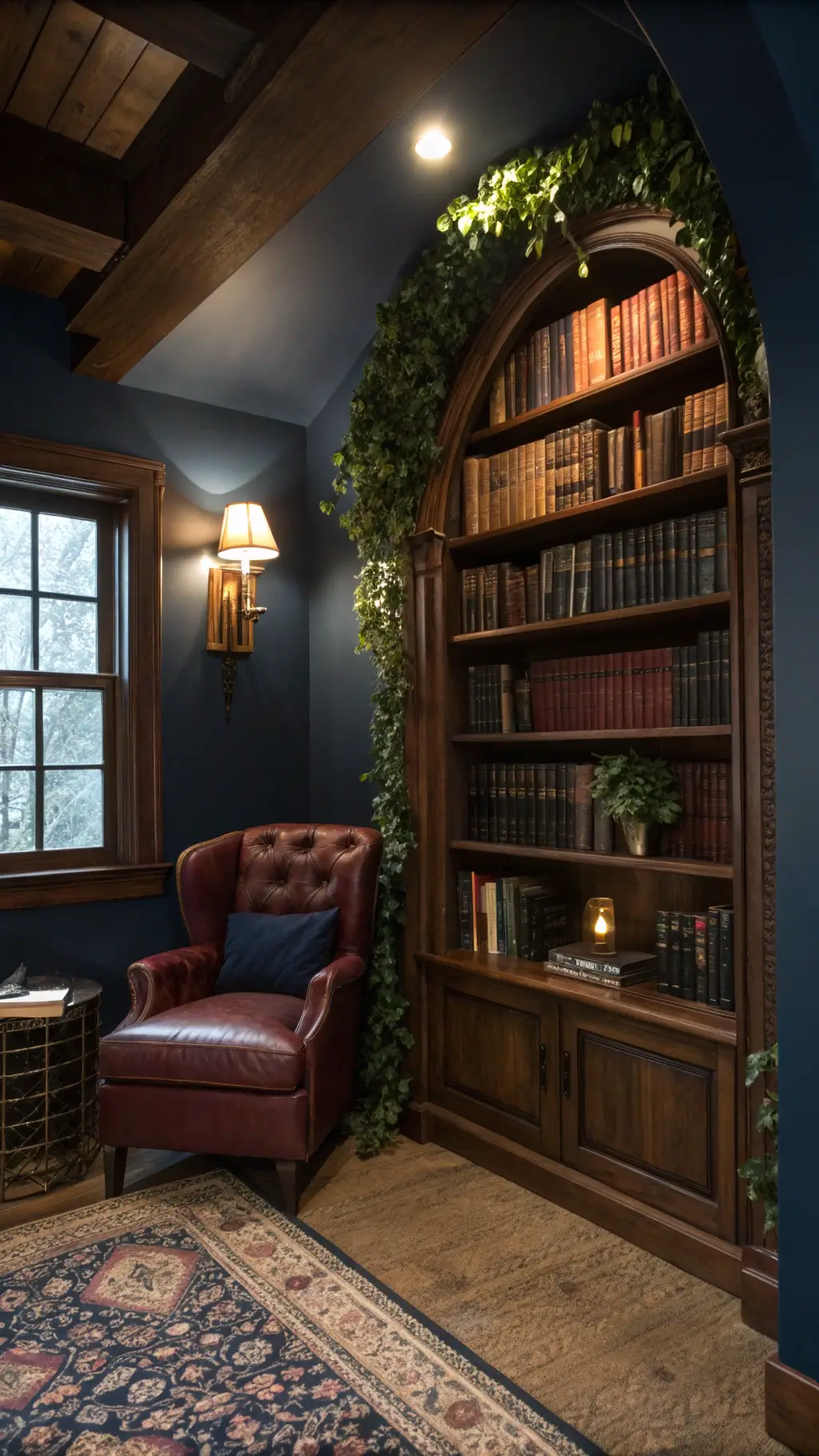
🏠 Steal This Look
- Paint Color: Benjamin Moore Hale Navy HC-154
- Furniture: tufted velvet Chesterfield sofa in forest green or deep burgundy
- Lighting: antique brass pharmacy floor lamp with amber glass shade
- Materials: distressed walnut wood, aged brass, hand-thrown ceramics, raw linen, and foraged botanicals
This room asks you to slow down, to light a candle and actually read that book you’ve been carrying around—it’s designed for people who find comfort in shadow rather than chasing brightness.
Color Palette: Your Emotional Foundation
Choose colors that tell a story:
- Deep forest green
- Burgundy
- Charcoal gray
- Navy blue
- Warm chocolate browns
Pro Tip: These colors create depth and evoke a sense of intimate storytelling.
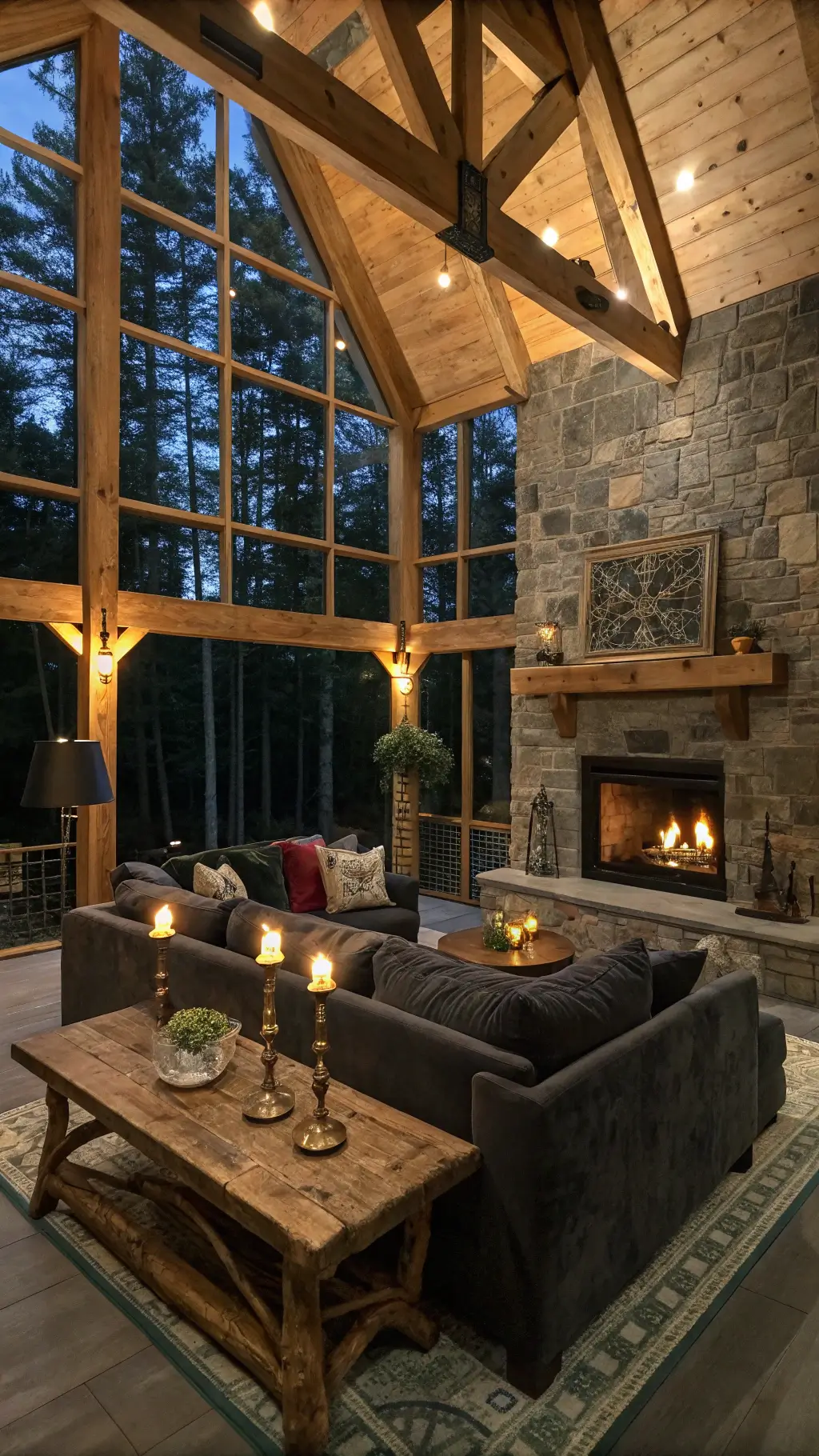
💡 Steal This Look
- Paint Color: Farrow & Ball Studio Green 93
- Furniture: oversized velvet Chesterfield sofa in deep burgundy
- Lighting: antique brass pharmacy floor lamp with amber glass shade
- Materials: raw linen, aged oak, hand-thrown ceramics, tarnished copper, moss-dyed wool
There’s something almost primal about walking into a room wrapped in these tones—it feels like the forest floor after rain, instantly slowing your breath and inviting you to stay awhile.
Essential Elements for Dark Cottagecore Living Rooms
Furniture Selection
Must-Have Pieces:
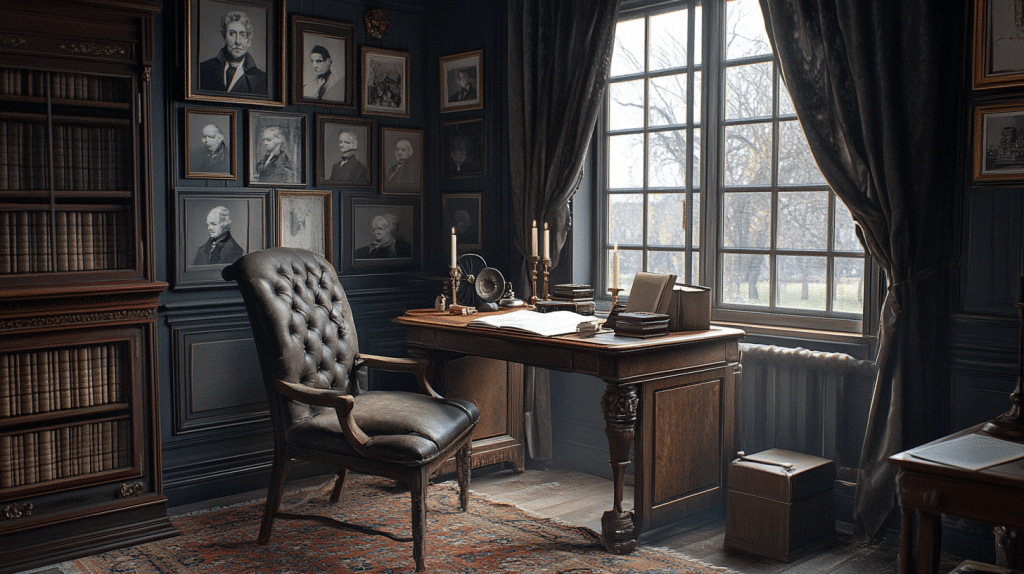
- Vintage leather armchair
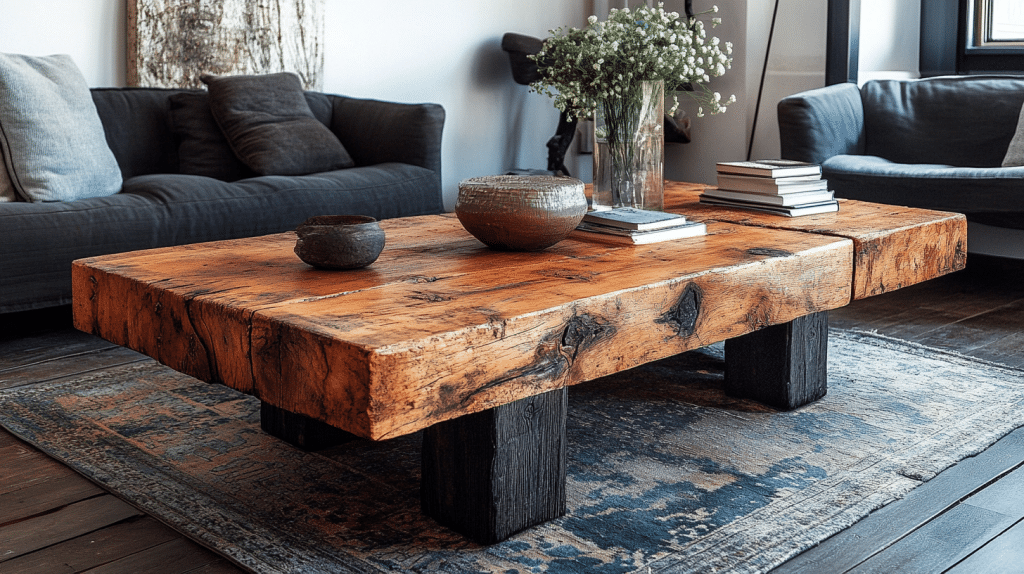
- Weathered wooden coffee table
- Plush velvet sofa in deep tones
- Antique bookshelf or cabinet
Textural Layers
Soft Elements:
- Chunky knit throws
- Velvet cushions
- Wool area rugs
- Linen curtains
- Embroidered blankets
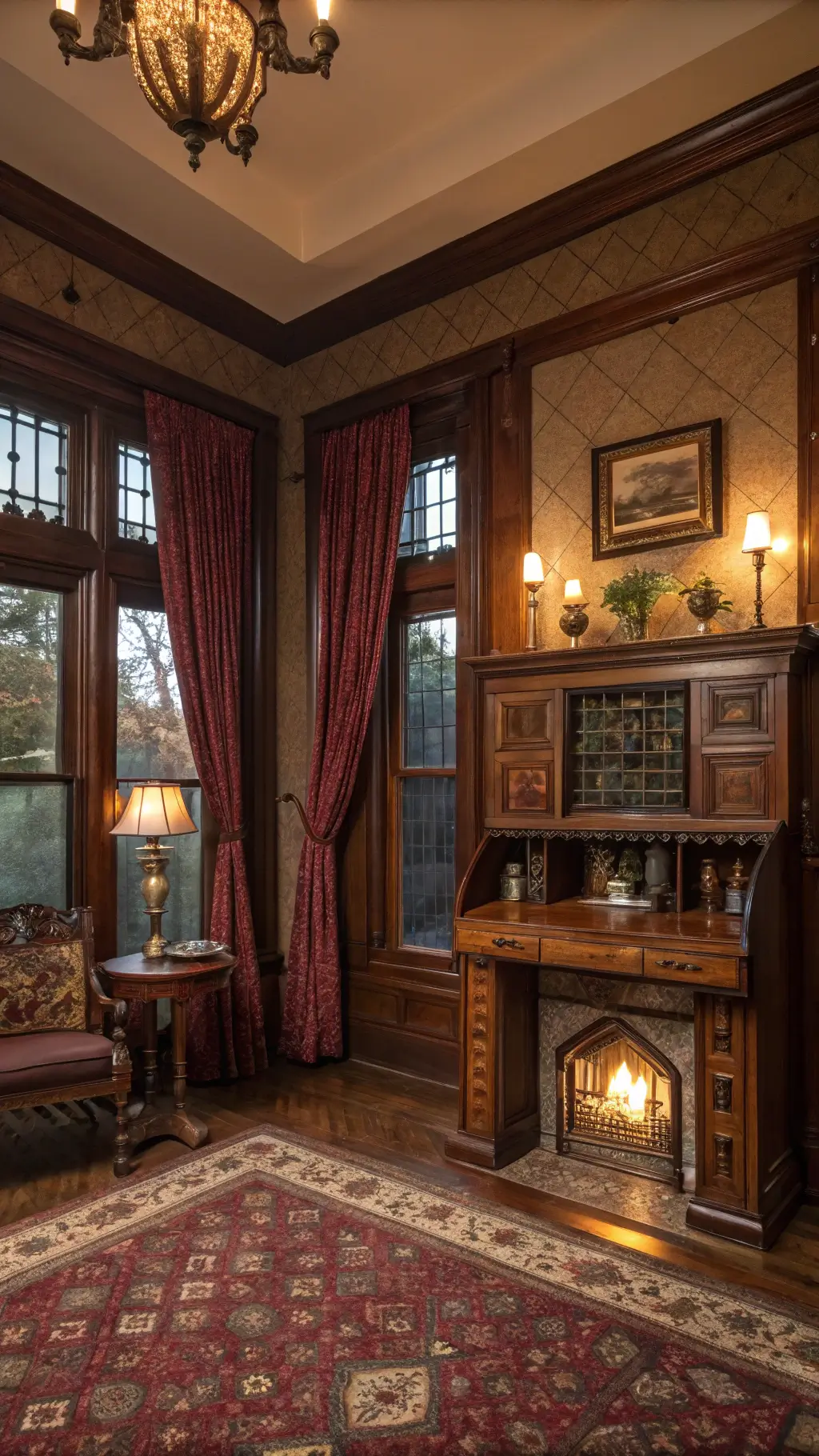
🎨 Steal This Look
- Paint Color: Behr Black Mocha PPU5-01
- Furniture: vintage Chesterfield leather armchair in cognac brown, reclaimed barn wood coffee table with live edge, hunter green velvet tuxedo sofa
- Lighting: wrought iron chandelier with amber glass shades and candle-style bulbs
- Materials: distressed oak, burnished brass, raw linen, hand-loomed wool, aged leather
This is the room where you finally stop apologizing for loving gothic romance novels and dried lavender bundles—it’s unapologetically atmospheric, like a hug from a well-read ghost.
Styling Techniques
Lighting is Everything
Lighting Options:
- Vintage brass floor lamps
- Candelabras
- Soft Edison bulb fixtures
- Fairy lights for magical touch
- Strategically placed mirrors to reflect warm light
Accessorize with Intention
Decorative Accents:
- Dried flower arrangements
- Vintage botanical prints
- Antique books
- Brass candlesticks
- Ceramic vases
- Moss terrariums
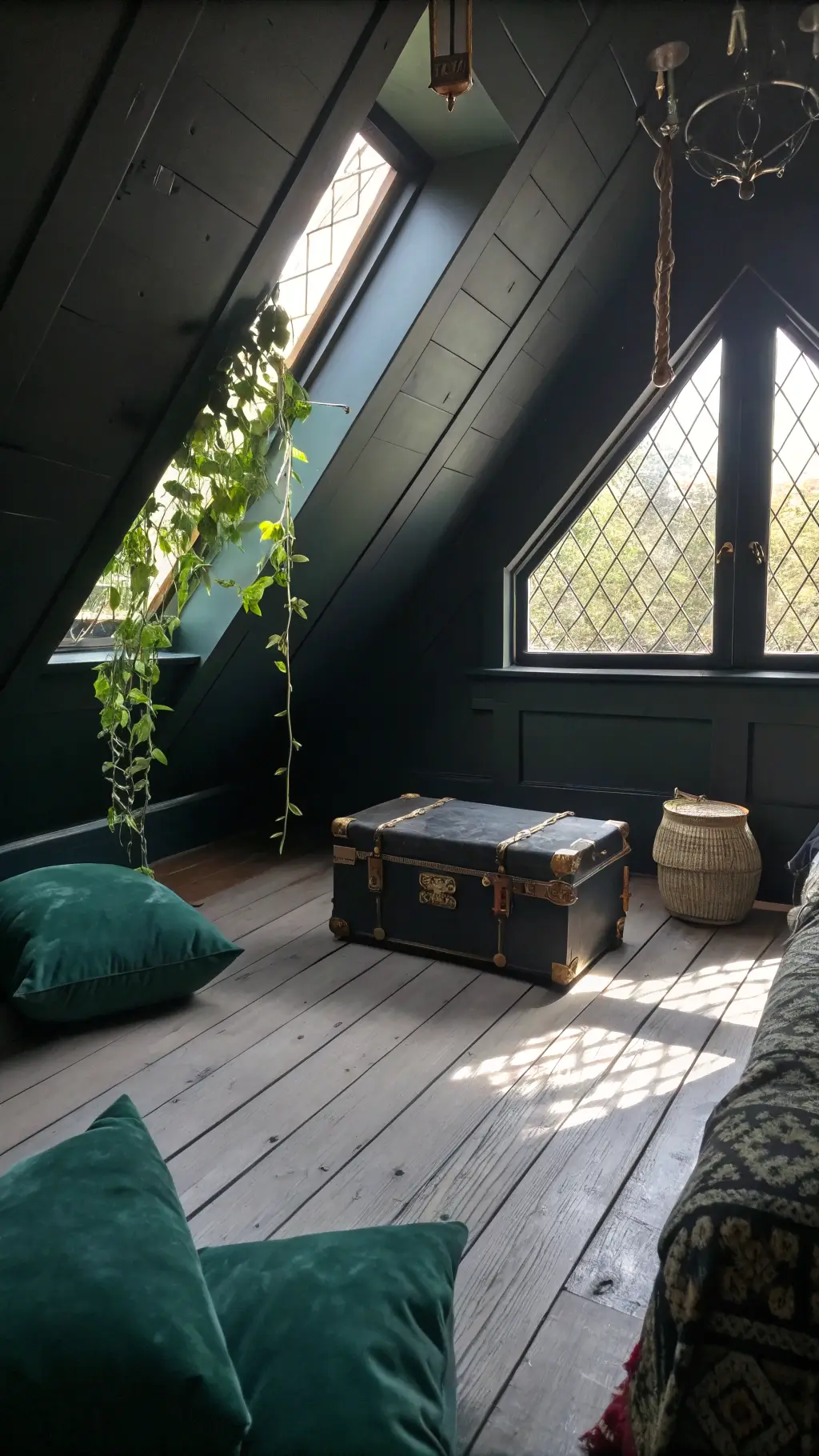
★ Steal This Look
- Paint Color: Valspar Dark Kettle Black 4011-2
- Furniture: tufted velvet Chesterfield sofa in deep forest green, carved mahogany sideboard with brass hardware, spindle-back Windsor chairs in aged oak
- Lighting: vintage brass pharmacy floor lamp with amber glass shade, wrought iron candelabra chandelier with dripping wax candles, string of warm white fairy lights draped across exposed ceiling beams
- Materials: burnished brass, aged oak, crushed velvet, hand-thrown terracotta, dried hydrangea, tallow wax, tarnished mercury glass
There’s something deeply satisfying about lighting a room by candlelight alone on a rainy evening—the way shadows dance across dark walls and everything feels slightly secret, slightly ancient, like you’ve stepped into a story you never want to leave.
Photography and Presentation Tips
Capturing the Mood
Photography Guidelines:
- Shoot during golden hour
- Use warm, soft lighting
- Embrace shadows
- Focus on texture and depth
- Experiment with low angles
Pinterest-Worthy Shots
Composition Tricks:
- Use rule of thirds
- Create layered scenes
- Mix close-ups and wide shots
- Vertical image format
- Descriptive, keyword-rich captions
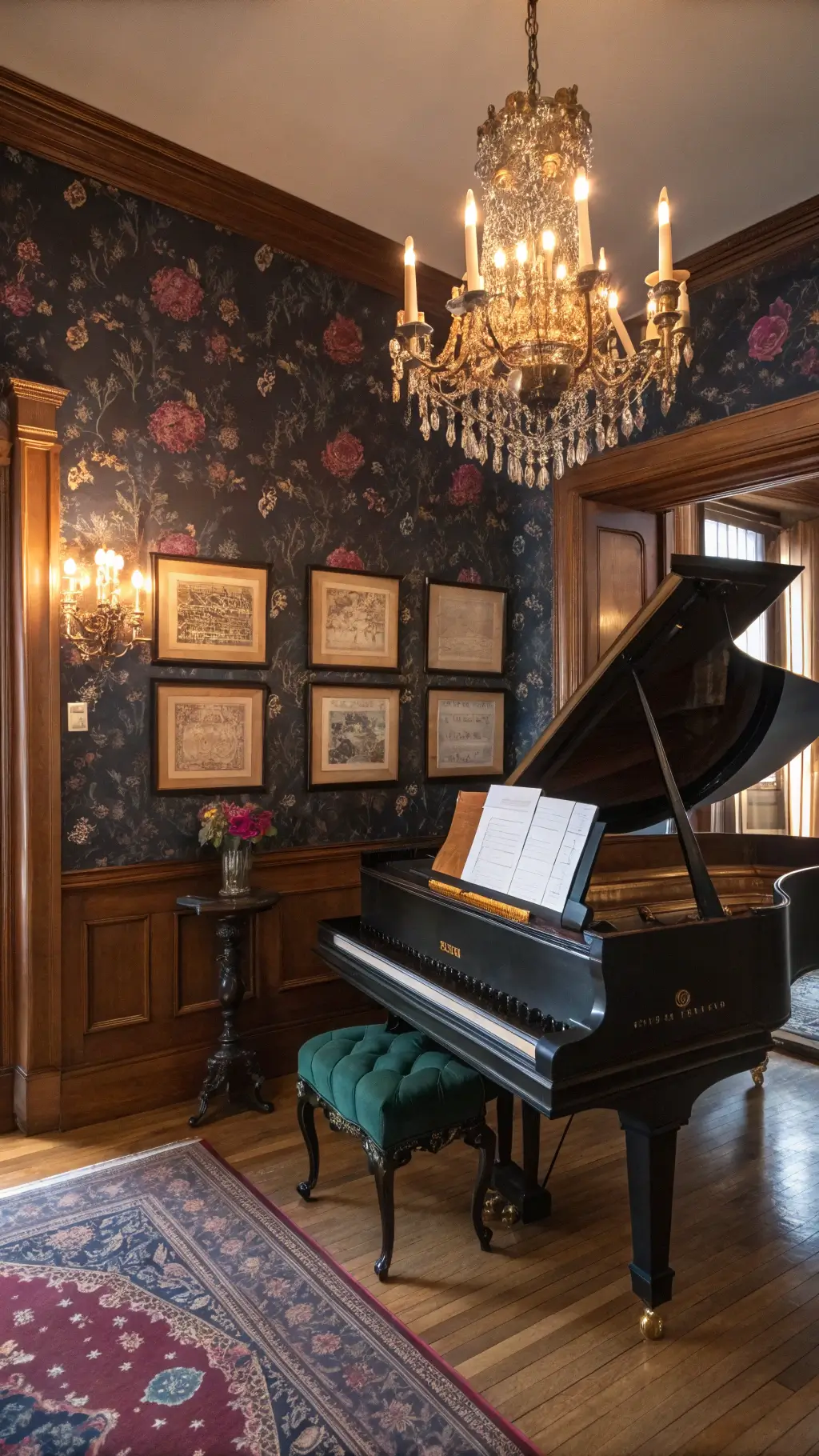
★ Steal This Look
- Paint Color: PPG Black Magic PPG1001-7
- Furniture: vintage velvet chesterfield sofa in deep forest green
- Lighting: brass pharmacy floor lamp with amber glass shade
- Materials: distressed leather, aged brass, hand-thrown ceramics, raw linen, dark-stained oak
There’s something deeply satisfying about finally capturing that perfect shot where the afternoon light hits your grandmother’s quilt just right—these spaces deserve to be remembered as beautifully as they feel.
Budget-Friendly Transformation
Money-Saving Strategies:
- Thrift store hunting
- DIY vintage frame restoration
- Secondhand furniture finds
- Fabric paint for quick furniture updates
- Foraged natural decorations
🎨 Steal This Look
- Paint Color: Dunn-Edwards Black Walnut DEW380
- Furniture: secondhand spindle-back rocking chair with original patina
- Lighting: brass swing-arm wall sconce from estate sale
- Materials: distressed wood, matte black iron, hand-thrown ceramic, dried botanicals, linen drop cloths
There’s something deeply satisfying about rescuing a forgotten piece and making it yours—my own living room centerpiece is a $40 clawfoot table I found water-damaged in a barn, now the soul of the space.
✓ Get The Look
Common Styling Mistakes to Avoid
- Overcrowding the space
- Ignoring texture variation
- Harsh, bright lighting
- Mismatched color schemes
- Neglecting personal storytelling
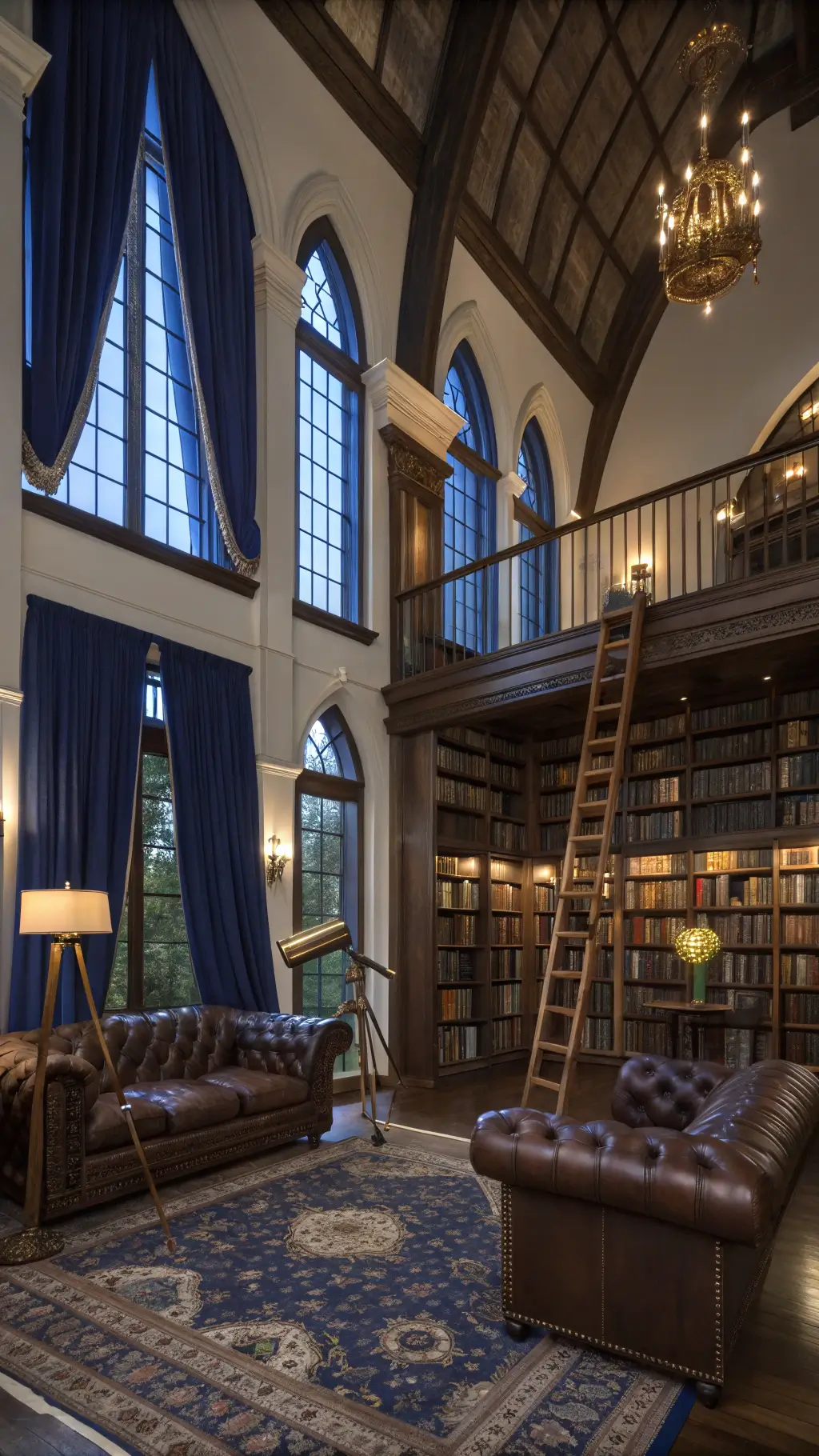
★ Steal This Look
- Paint Color: Clare Paint Current Mood DEEP04
- Furniture: vintage spindle-back rocking chair with worn leather seat
- Lighting: dimmable Edison bulb pendant with wrought iron cage
- Materials: distressed velvet, aged brass, hand-thrown ceramics, raw linen, dark-stained oak
This room should feel like inherited memory made tangible—every scratch on furniture and faded textile tells of lives lived, not a staged set for social media.
Seasonal Adaptations
Seasonal Twist:
- Fall: Add dried leaves, pumpkins
- Winter: Incorporate rich metallics
- Spring: Lighter botanical elements
- Summer: Introduce subtle green tones
Final Thoughts
Dark cottagecore is more than a design trend—it’s about creating a space that feels like a personal sanctuary. Embrace imperfection, tell your story through carefully chosen elements, and let your living room become a magical retreat.
Remember: The most important element is your unique interpretation. There are no strict rules, only guidelines to inspire your creative journey.